
Reimagine How Work Gets Done With AI

Financial services firms spend enormous sums each year keeping old systems running. In insurance alone, industry spend tops $210 billion annually, most of it maintaining processes that already exist. As AI moves from experiment to enterprise deployment, executives are asking a different question: not how to make the old process faster, but whether it’s time to reimagine how work gets done.
Asking a Different Question
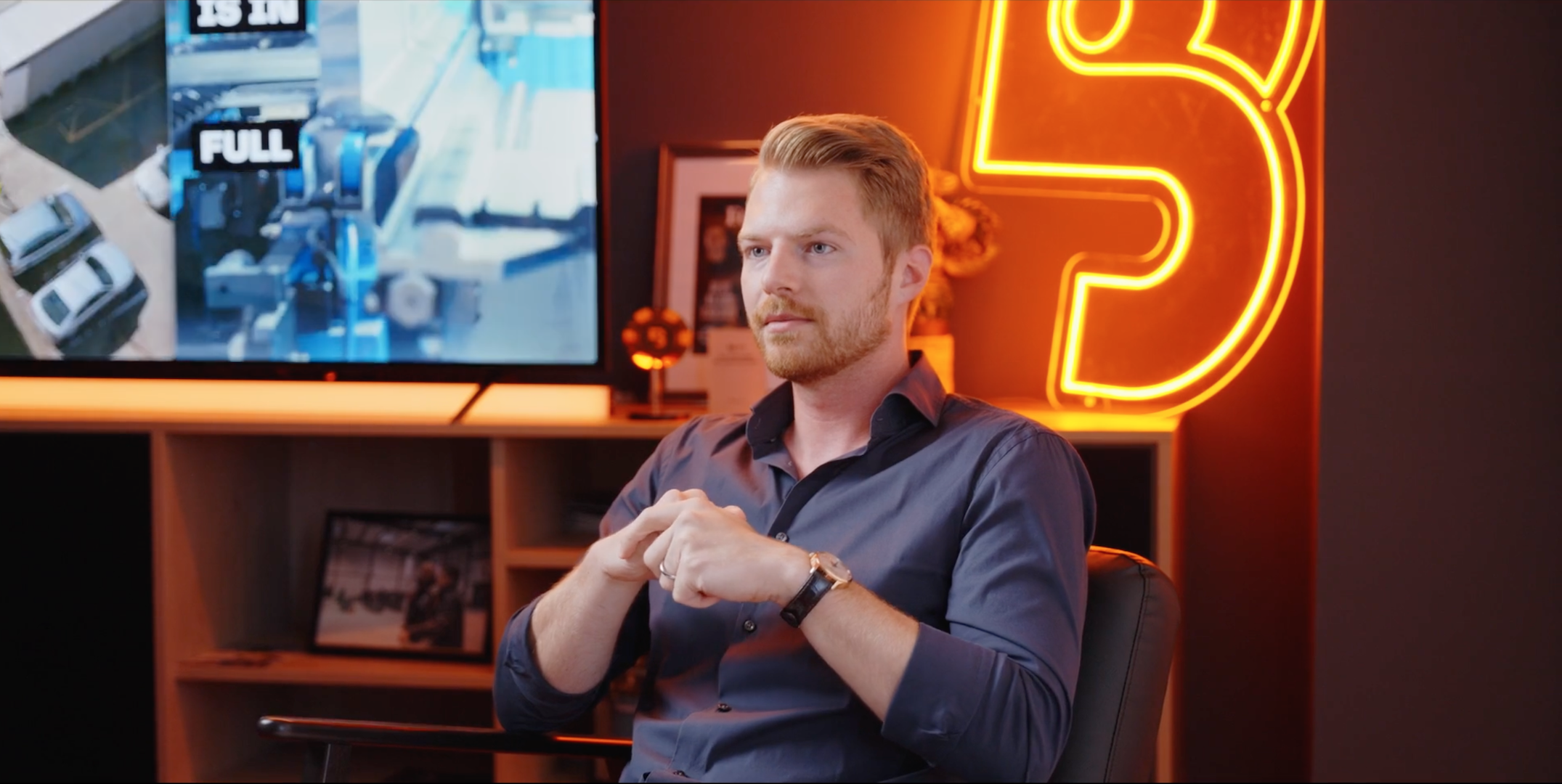
Most companies adopting AI ask how to make an existing process faster or cheaper. Nelson Lee, founder of InfrasAI, says that’s the wrong question. “Companies often fall into the mental trap of using AI to speed up an existing legacy process, which is the equivalent of using AI to answer the same old existing question,” Lee says. The more useful question, he argues, is why the process exists at all, and whether it still needs to.
That instinct to reimagine the process, rather than accelerate it, is spreading across the industry. One exercise now common among operations leaders: for every step, ask whether it would exist if designed from scratch today. Often the honest answer is no; the work survives only because it used to, back when moving a policy from application to claim meant routing paper between departments.
Reimagining the Outcome, Not Just the Process
Executives across financial services echo the tension. Philip Walker, former CEO and president of AAA Life Insurance, describes legacy systems as more than a drag on speed: they shape which markets a carrier can enter and how teams are structured. “Our industry has spent years trying to make old processes move faster, but the real opportunity now is to ask whether those processes should still exist at all,” Walker says, likening the challenge to a Buddhist expression: you cannot fix the foundation from the roof.
That instinct extends to how leaders invest, not just what they redesign. Every executive Lee talks to wants the same thing: a long, ten-step process collapsed into three or four. The common response, buying ten different AI tools for the ten different steps, is still input-thinking, more tools, more tokens, for the same underlying process. It produces a marginally better process and a bigger bill, not the collapse leaders want. The real shift, Lee argues, is to invest based on outcomes, what actually collapses the process, rather than inputs that reward vendors for how much of their product gets used.
What Humans Should Actually Be Doing
Financial services run on trust, and in a regulated industry the final decision still sits with a person. What changes first isn’t headcount, it’s where that person’s time goes. Machines process large amounts of information quickly and repetitively; people decide what result matters, for whom, and why. As routine coordination work shrinks, judgment on risk and regulation, and relationships with customers, become more valuable, not less.
InfrasAI builds AI agents around that premise, helping leadership teams reimagine the process itself and decide where humans belong within it. As Lee puts it, the real opportunity isn’t which AI model a company chooses, it’s redefining the future of work itself.