
How Maneuverable Spacecraft Will Unlock New Markets on Earth
Rockets unlocked access to space and transformed life on Earth. Portal believes highly maneuverable spacecraft will unlock what comes next.
Every major advancement in transportation has done more than change how we move. It has unlocked new economies.
Horse-drawn transportation connected communities. Railroads connected cities and opened regional markets to national trade. Aviation connected continents, enabling global supply chains, tourism and entirely new ways of doing business.
The pattern is remarkably consistent: remove a transportation constraint, and new markets emerge around what suddenly becomes possible.
Space has already experienced one version of this transformation.
For decades, the defining transportation challenge in space was access. Rockets evolved from extraordinary national capabilities into increasingly reliable transportation for satellites and cargo. As access improved, we put more infrastructure in space, and that infrastructure quietly transformed life on Earth.
The storm warning telling you to take cover. The blue dot navigating you around traffic. A financial transaction moving across a global network. Communications connecting people thousands of miles apart. All depend, directly or indirectly, on infrastructure operating in space.
In 2015, roughly 1,300 active satellites orbited Earth. Today, there are more than 15,600.
Access to space did not simply create a space industry. It helped create a modern space-enabled society and unlocked economic markets around the world.
The next economic unlock will come from mobility.
Today, most spacecraft are deployed to execute missions defined before they leave Earth. Some travel hundreds of millions of miles. Others operate successfully for decades. But traveling far is not the same as maneuverability.
A spacecraft deployed toward Mars, for example, follows a highly engineered path toward a predetermined destination and mission. Even its course corrections are designed to keep it on that path.
Maneuverability changes the premise. Instead of building a spacecraft around a single prescribed mission, mobility creates the flexibility to perform many missions over its operational life, including missions we understand today and those that will emerge tomorrow.
A highly maneuverable spacecraft can move where it is needed, when it is needed. It can reposition as commercial demand changes, inspect or support another asset, respond to an emerging threat, approach and remove debris, or carry a capability somewhere it was never expected to be needed when it launched.
The mission no longer has to be defined before launch. The spacecraft becomes infrastructure that can be repositioned and repurposed as needs evolve.
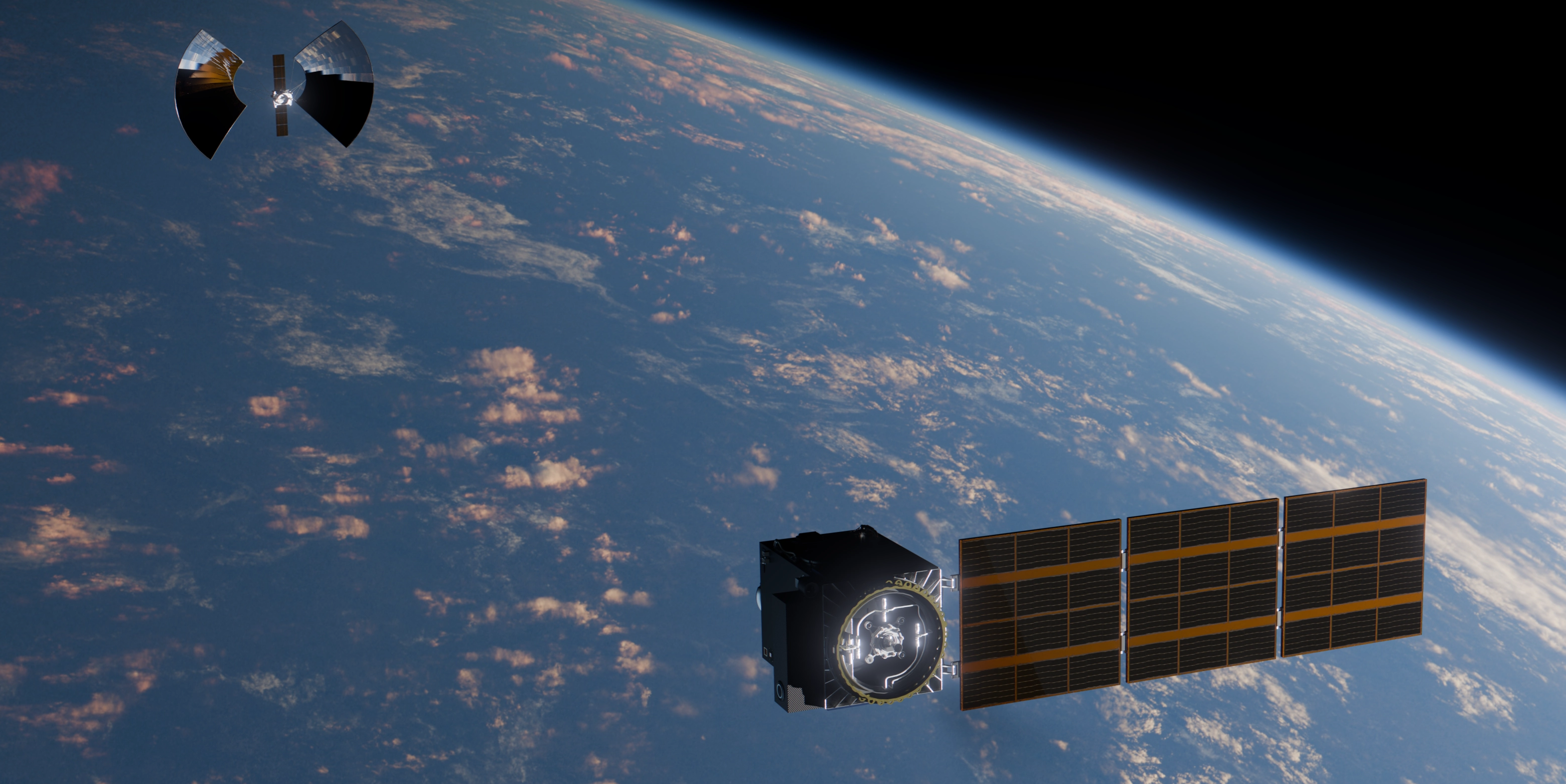
Portal is building spacecraft for that future. Starburst is designed to maneuver rapidly within a designated orbit, while Supernova, powered by Portal’s proprietary solar thermal propulsion technology, extends that mobility across different orbits and throughout the space between Earth and the Moon.
The opportunity, however, is bigger than any spacecraft.
The builders of the first railroads could not have predicted every business their tracks would eventually enable. Neither could the pioneers of aviation. New access creates opportunities beyond the original destination. During the gold rush, miners pursued gold while other businesses supplied the picks, shovels and services they needed. Portal’s orbital freedom opens opportunities for the businesses that will support new activity in space, including services no one has yet imagined.
Rockets unlocked transportation to space and helped create the economy we rely on today. Maneuverable spacecraft will unlock transportation within space, giving the infrastructure already there the ability to adapt, expand and do more.
New transportation creates new markets, and the next one is being built on orbit.