
The Yard Was Never Supposed to Matter This Much
Thirty years ago, Lazer Logistics® began with a single spotter truck in Macon, Georgia, and one practical need: keep trailers moving.
The work was straightforward. The yard rarely commanded much attention.
Today, it has to.
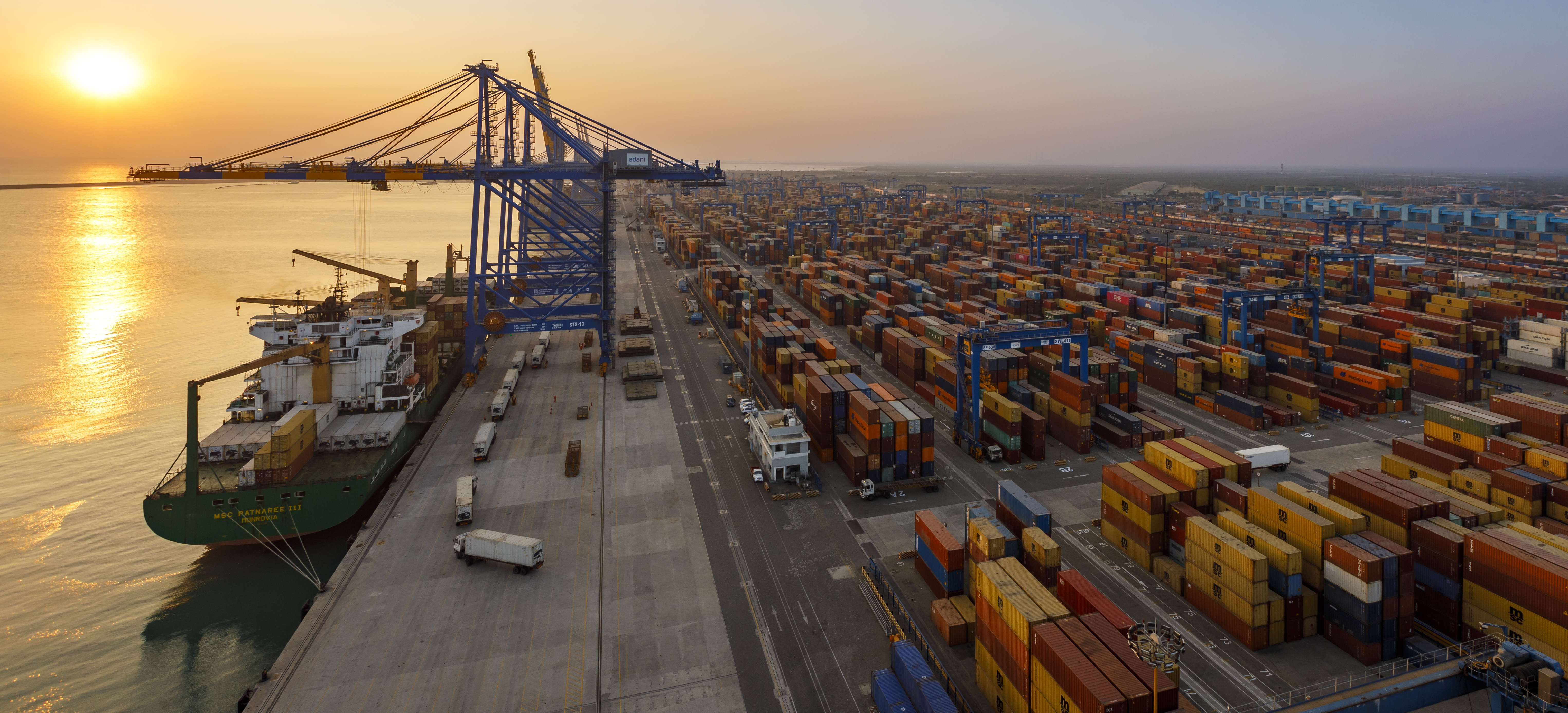
The yard connects transportation and the warehouse, and when it breaks down, the effects travel quickly. A delayed trailer, congested gate or missed dock move can become a production problem, a transportation problem and ultimately a customer problem.
Lazer’s story has evolved alongside that complexity. What began in 1996 now spans 800+ sites across 44 states and Canada, serving 60 Fortune 500 companies. But scale is not the story by itself. What matters is what that experience has taught us about making yard operations safer, more predictable and more productive.
That starts by connecting people, process and technology.
Technology without a sound process can create more information without improving execution. Process without capable people becomes a checklist. And great people should not have to overcome disconnected systems just to do their jobs. By bringing all three together, we can reduce variability, identify issues earlier and give customers greater visibility and confidence in their operations.
That same practical mindset has shaped how Lazer approaches innovation. Today, our portfolio includes spotting, shuttling, gate management, trailer solutions, drayage, electric vehicles and yard technology. The goal is not simply to offer more services, but to understand each operation and bring together the right capabilities for the customer.
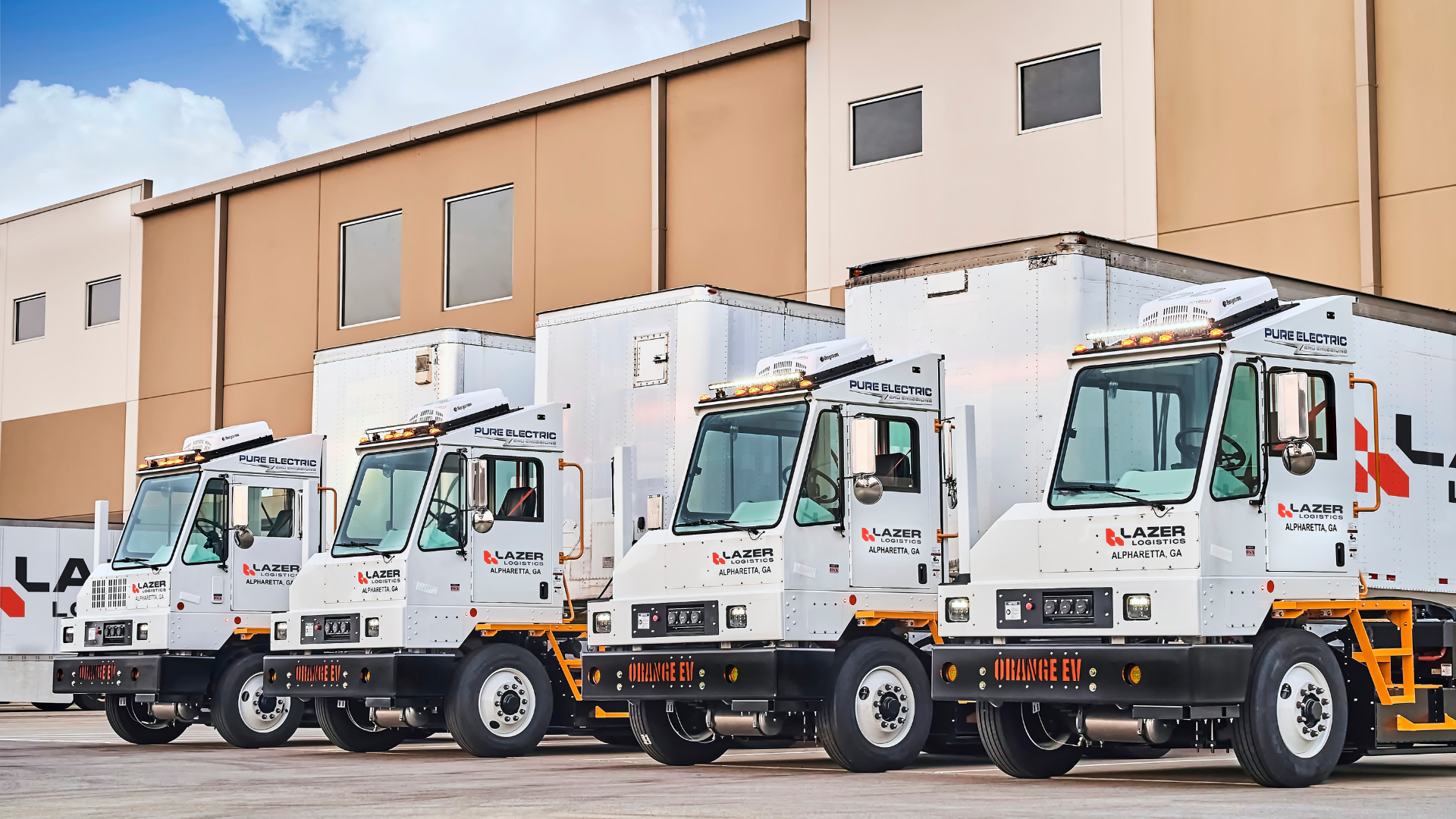
It is also why Lazer has spent 9+ years advancing yard electrification, surpassing 4 million zero-emission miles. We have learned that an electric yard truck is not successful simply because it is electric. It has to perform the work the customer needs.
The same test applies to artificial intelligence, real-time visibility and every other innovation we pursue: Does it solve a real problem? Does it help people make better decisions? Does it create measurable value in the yard?
Thirty years gives us experience, but experience should create responsibility, not complacency. The supply chain will keep changing, and the yard will have to change with it.
Our purpose remains bigger than moving a trailer from one point to another. It is about moving businesses and the people behind them forward—using what we have learned to make the next generation of yard operations safer, smarter and more consistent.