How Wine is Evolving for the Next Generation
Wine innovation is giving one of the world’s most enduring drinks new relevance as The Wine Group rethinks format, taste, and occasion for modern consumers.
Wine in Modern Life
Few products have endured through history like wine. For thousands of years, it has moved between cultures, tables, and celebrations while remaining recognizably itself.
At its core, wine is remarkably simple. But over time, the culture of wine has become more complex. The right glassware. The right vintage. The right verbiage. While these traditions add richness, they can also make wine feel more formal than many of today’s occasions require.
With more beverage choices than ever, consumers want drinks that fit modern life: convenience, interesting styles, different alcohol levels (or none at all!), and more price point options, without sacrificing wine’s distinctive craft.
For the wine industry, this creates a challenge and an opportunity.
The Wine Group, the world’s second-largest wine producer, believes the future belongs to companies willing to evolve.
With 125+ wine brands and 45 years in the industry, The Wine Group is no stranger to evolving wine trends. Today, it’s investing in new tastes, formats, and experiences to make wine easier to enjoy across more occasions.
Beyond the Bottle
Sometimes innovation starts with the package.
In the 1980s, The Wine Group challenged convention by putting Franzia in a box, helping establish a new way to enjoy wine built around convenience and value. Franzia quickly became the world’s most popular wine brand by volume, a position it has held for 20 years and counting.
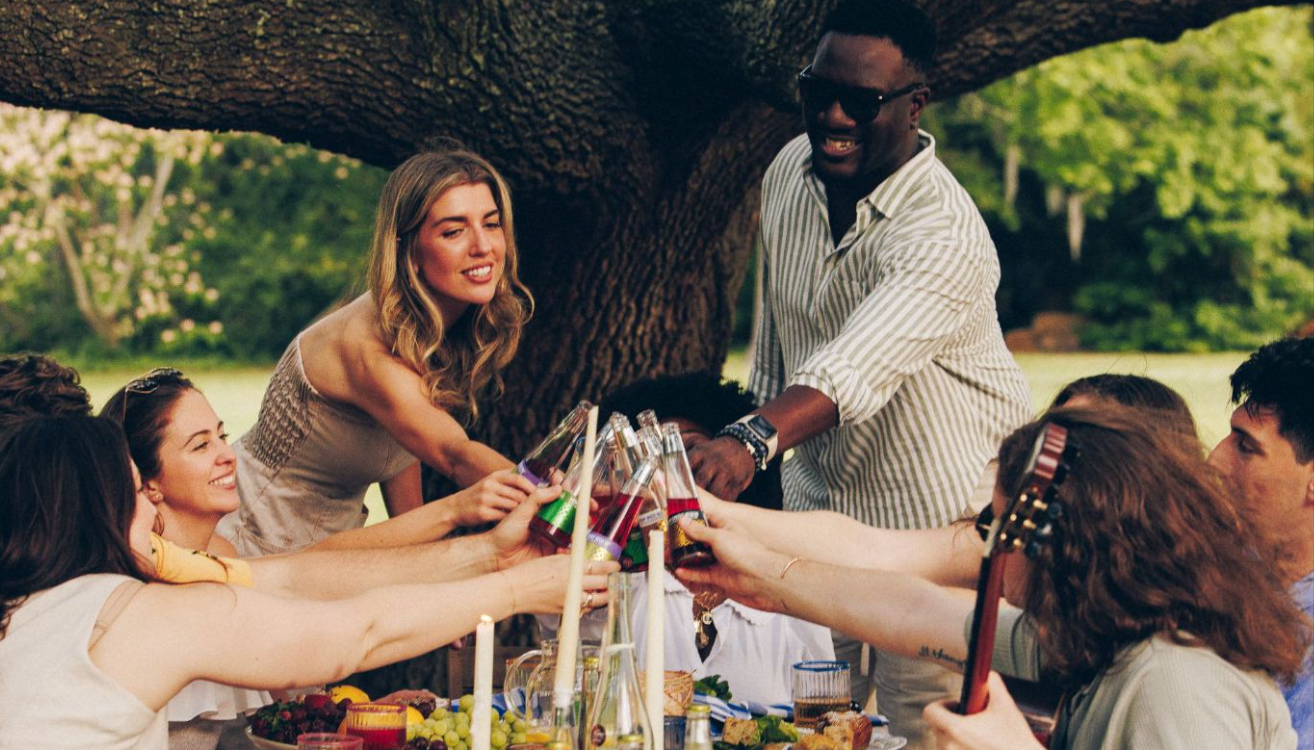
Today, consumers are once again rewriting the rules. Wine is no longer just for the dinner table. Consumers want beverages that go where they go, from backyard gatherings and picnics to concerts and sporting events.
For The Wine Group, this means expanding beyond the traditional 750mL bottle with Tetra packaging, cans, new box formats, individual servings, 1.5L bottles, and more.
Format isn’t the only thing changing. Today’s drinkers are also exploring different flavor profiles and alcohol levels, from higher-ABV to lower- and no-alcohol choices. The Wine Group has been quick to adapt. Over the past two years, the company has introduced eight new brands and 53 new SKUs – with additional innovation coming in 2027.
The goal isn’t to abandon wine tradition. It’s to create more ways in.
“Today’s consumers are pushing the wine industry in new directions, and the future belongs to companies that evolve,” says John Sutton, CEO, The Wine Group. “The Wine Group is meeting this moment through innovation, investment, and a commitment to helping wine thrive for the next generation.”
Returning to Its Roots
While wine is evolving for modern consumers, it is not leaving behind what has made it endure: place, craft, and a connection to nature.
Today’s consumers care not only about what’s in the glass, but how it’s made.
At The Wine Group’s Benziger Estate Winery, sustainable, organic, and biodynamic practices take a whole-vineyard approach. Animals support soil health while careful water stewardship conserves an essential resource. Vines last decades longer, fruit quality is optimal, and the process is as nature intended.
Across its operations, The Wine Group focuses on continual advancements in water conservation, clean energy, sustainable packaging, transportation, and waste management.
Wine has spent thousands of years adapting to the people, places, and moments around it. Its next chapter is no different.
The future of wine may not look exactly like its past. But that has always been part of its story.g free sector-specific education and training. Learn more at blackbaud.com/ai.