
Built for the Call: Rethinking Firefighter Gear for the Modern Fireground
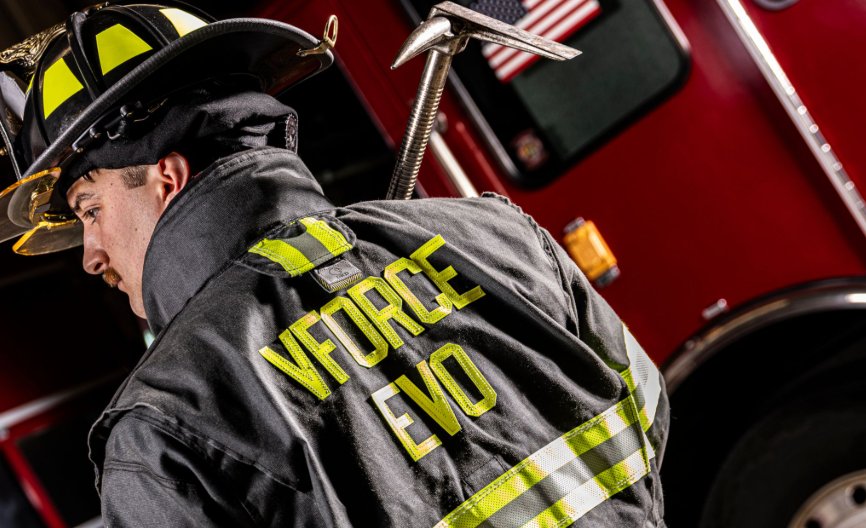
Today’s firefighters need more than protection. They need gear engineered to support mobility, comfort and confidence in the demanding environments where every movement matters the most.
Today’s firefighters need more than protection. They need gear engineered to support mobility, comfort and confidence in the demanding environments where every movement matters the most.
Firefighters operate in conditions most people will never experience. Extreme heat, limited visibility, heavy equipment and rapidly changing environments are simply part of the job. In those moments, the gear firefighters wear cannot be an afterthought. It is part of the system that helps them do their jobs safely and effectively.
For generations, firefighter protective clothing has evolved around one essential mission: helping protect the people who run toward danger when others are moving away from it. But protection alone is no longer enough. Today’s firefighters expect their gear to provide the protection required for the job while also supporting how they actually move, work and respond.
That means looking at firefighter gear differently.
A firefighter may climb stairs, crawl through confined spaces, stretch hose, raise ladders, perform search and rescue, or work through an extended incident, all while carrying significant additional equipment. Every unnecessary restriction, pressure point or added bit of bulk can become more noticeable as an incident continues.
Modern gear design must account for the firefighter in motion.
At LION, that philosophy has helped shape generations of protective equipment. Our approach begins by understanding the realities firefighters face and engineering gear around the person wearing it. Protection remains fundamental, but mobility, ergonomics, fit and functionality are increasingly more important parts of the equation.
The goal is straightforward: gear should work with the firefighter, not against them.
That philosophy can be seen across modern turnout gear systems, where advances in patterning, materials and construction are helping reduce restriction and improve freedom of movement. Features designed for operation with gloved hands, improved garment articulation and thoughtful interfaces between protective equipment can make a meaningful difference when conditions become difficult.
Innovation also requires listening.
Firefighters provide some of the most valuable insights into how protective equipment performs in the real world. Their experiences in training environments to working fires, help identify opportunities to improve fit, form and function. Combining that feedback with engineering, testing and manufacturing expertise allows protective equipment to continue evolving alongside the fire service and other first responders with our uniforms from Elbeco.
New challenges emerge. Standards evolve. Materials improve. Expectations change. The responsibility of those who design firefighter equipment is to keep moving forward as well.
For more than a century, LION has worked alongside first responders with one purpose at the center of that effort: helping protect those who protect others.
The next generation of firefighter gear continues that mission, not simply by adding more, but by engineering smarter.
Because when the call comes, first responders should be able to focus on the job ahead, confident that the gear they wear was built for the demands of the moment.