
Bringing Broadband Home: How Fiber Broadband Deployment Is Changing What’s Possible in Rural America
Reliable internet isn’t just about speed, it’s about opportunity. Across rural America, fiber broadband is helping communities move forward with confidence.
If you’ve ever waited on a slow internet connection to load a page or watched a video buffer one too many times you know how frustrating it can be.
Now imagine running a business, seeing a doctor, or trying to finish schoolwork with that same connection.
As the country looks ahead to 250 years of progress and innovation, it’s a reminder that every generation has relied on infrastructure to move forward, and local communities have often led the way. For many rural communities, the need for better connectivity has been clear for a long time. And in many cases, local providers didn’t wait for someone else to solve it, they stepped in and built it themselves.
That mindset has always been forward-looking.
Across the country, rural broadband providers have recognized early on that strong connectivity isn’t optional. It’s essential to keeping communities viable, competitive, and growing. Rather than waiting for large, national providers to expand into less densely populated areas, many made the decision to invest in their own infrastructure to meet the need head-on.
Today, that investment is showing up through fiber broadband deployment across rural America. But in many cases, it’s also becoming the foundation for something more.
From railroads to electricity, every generation has had its own version of the infrastructure that moves a country forward. Fiber is this generation’s version, and in rural communities, it’s being driven by providers who saw the opportunity long before it became a national conversation.
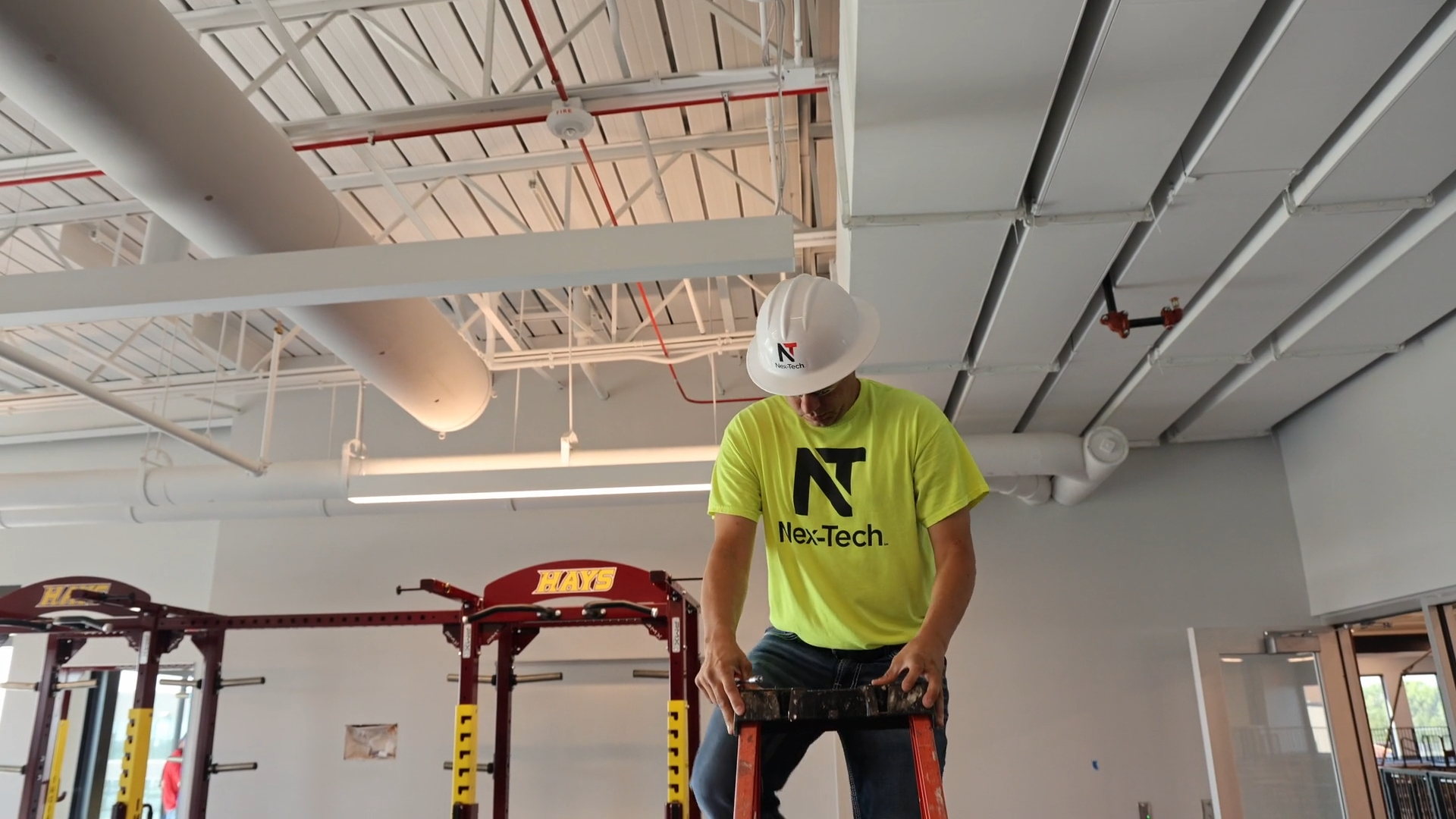
Nex-Tech, a Kansas-based provider with deep roots in the communities it serves, is one of them. With decades of investment in rural infrastructure, the company has focused on building fiber networks designed not just for today, but for what comes next.
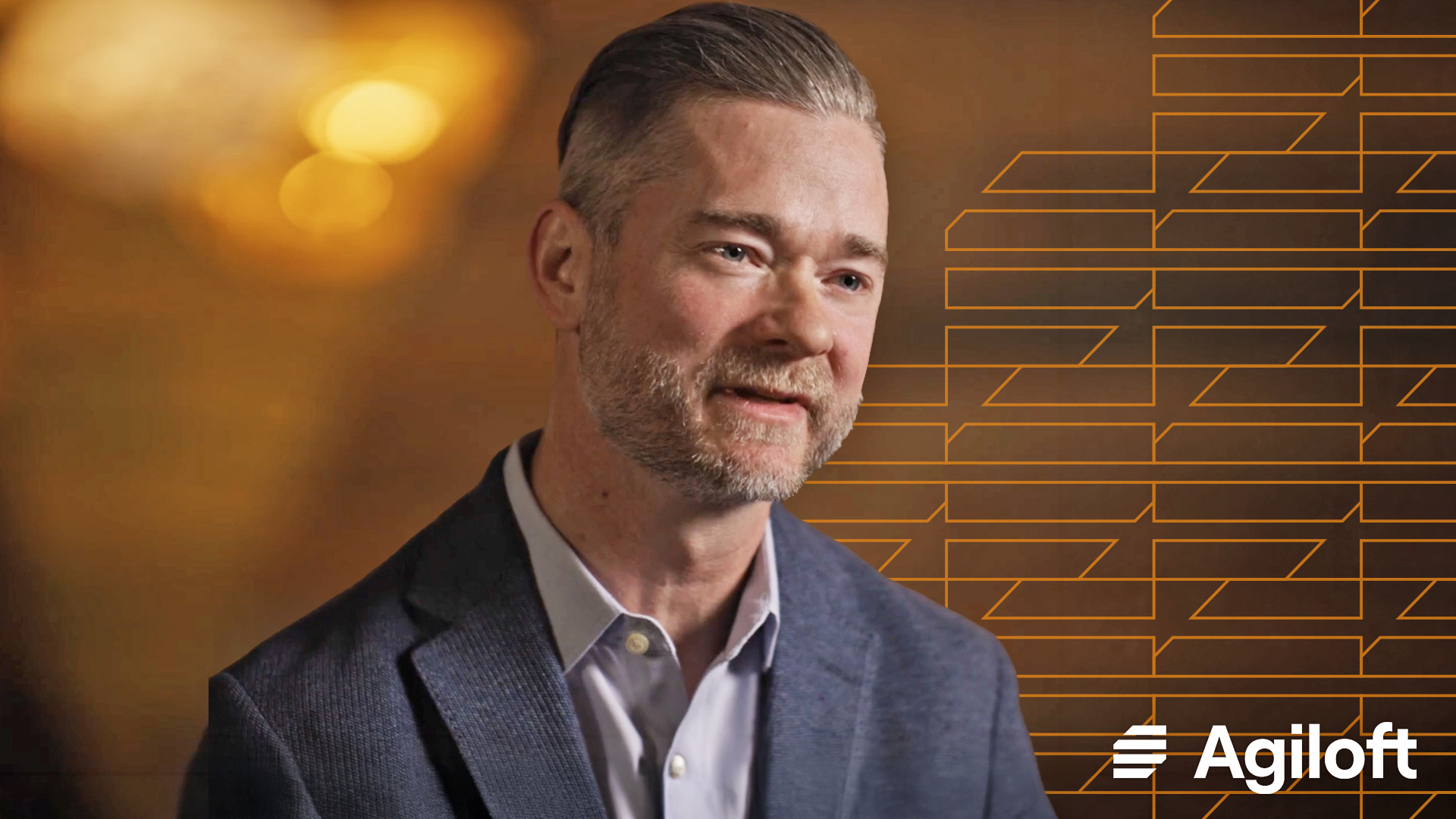
“Connectivity is about more than speed,” said Dustin Schlaefli, Vice President of Customer Experience at Nex-Tech. “It’s about giving people the ability to work, learn, and grow right where they are and to be ready for the future.”
That approach is already making an impact.
Small businesses are reaching customers beyond their local footprint. Students have access to the same digital tools as their peers anywhere else. Families can connect with healthcare providers without leaving home. And many people are choosing to stay, or move into rural areas because reliable connectivity is no longer a barrier.
At the same time, Nex-Tech is expanding beyond connectivity. Fiber infrastructure now supports a broader range of services, including managed IT, cybersecurity, cloud solutions, and advanced communications tools that help businesses operate more efficiently. Through their 24-hour network operations monitoring, providers are also supporting partners nationwide, helping ensure reliability and performance.
They have also grown their creative and marketing services, helping broadband businesses better connect with their audiences and are also exploring emerging technologies like robotics and automation.
This kind of investment supports ongoing rural broadband expansion, strengthens community connectivity, and reflects a broader shift toward building digital infrastructure in America that can support the future of rural technology. For Jimmy Todd, CEO and General Manager of Nex-Tech, that progress is intentional.
“We’ve always believed that our communities deserve the same opportunities as anywhere else,” Todd said. “Being forward-looking means investing ahead of the need.”
Fiber itself isn’t new technology, but the way it’s being deployed today reflects a long-term commitment to growth.
“We’re not just solving today’s problem,” Todd said. “We’re building something that’s going to support these communities for the next 30 or 50 years.”
There’s still more work ahead, but in many rural communities, that work is already well underway, driven by providers who understood early on what was at stake.
Because if the last 250 years have taught us anything, it’s that progress depends on the choices communities make today, and the willingness to keep looking ahead.