The Foundations of Energy Security
As Europe moves away from fossil fuels, companies are continuing to seize opportunities in the growing electric industry
Championing Sustainability and Independence
For decades, Europe has been committed to reducing its reliance on fossil fuels as part of its wider ambition to build a more sustainable future. Since 1990, the EU has cut its greenhouse gas emissions by around 40%, with increased renewable energy and reduced fossil fuel use among the major drivers of that decline.
But the transition also addresses another challenge: Europe’s geopolitical dependence on external energy suppliers. In 2024, around 97% of the EU’s crude oil needs and 85% of its natural gas needs were met by imports.
The shift towards electrification and cleaner energy therefore presents Europe with an opportunity to reduce this dependence. However, it also raises a new question: could Europe simply exchange its reliance on imported fossil fuels for a new dependence on the critical raw materials needed to power the transition?
Setting the Foundations of the Future
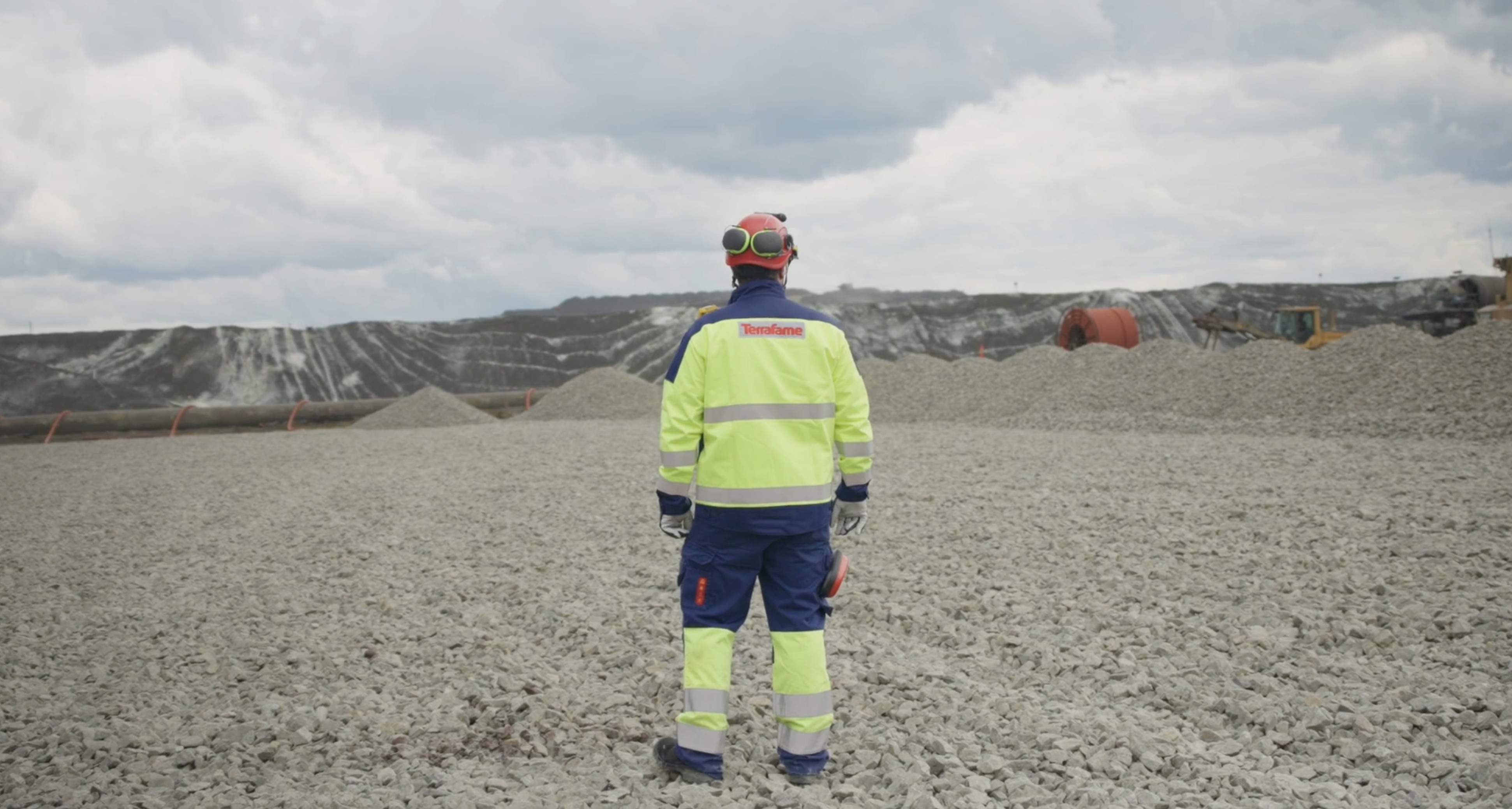
Securing Europe’s independence in the electrical batteries market requires securing the components that this technology is created from. Foremost among these are copper, nickel, cobalt and zinc and European companies are making efforts to establish operations around them. A key player in providing nickel and cobalt specifically is Terrafame, who, as a company, are providing 70% of the nickel mined in Europe and the materials for up to one million electric vehicles (EV) a year.
While the company is evidently contributing to Europe’s goal of independent energy, it is also championing Europe’s shift toward greater sustainability. The company states that using Terrafame nickel sulphate reduces the carbon footprint of an electric vehicle by 3-5 tonnes it amongst the lowest carbon-footprint nickel products in the industry. Additionally, Terrafame uses bioleaching, a method of extraction that uses naturally occurring bacteria to pull the metals out of rocks and uses around 90% less energy than conventional extraction methods. This reflects Terrafame’s wider approach to resource efficiency, extracting greater value from the same ore.
As Europe develops an increasing focus on sustainability, business partners and customers are also basing more decisions on it. Previously, the focus may have been on price and purity, but increasingly it is also on auditability and transparency.
Terrafame’s integrated model brings mining, metals production, uranium recovery and battery chemicals production together on a single industrial site in Sotkamo. This strengthens transparency and traceability across the value chain, while allowing the company to produce either metal intermediates or more refined battery chemicals according to market demand. The site also makes Terrafame Europe’s only active uranium producer, strengthening its role in the continent’s supply of critical and strategic raw materials.
The Growing Opportunity
As Europe continues to transition away from fossil fuel dependence, it will create more strategic opportunities for suppliers providing the resources needed for technologies such as electric vehicles and batteries, and Terrafame is looking to capitalise on this. The company aims to expand the amount and range of critical minerals it can responsibly produce in Europe, while continuing to extract greater value from its existing resource base.
Through Kolmisoppi, LEACHMAX and potential scandium production, Terrafame is positioning itself to play an increasingly important role in Europe’s future value chains. As the continent works to build a cleaner and more independent future, securing the materials that make that transition possible will be just as important as the technologies themselves.