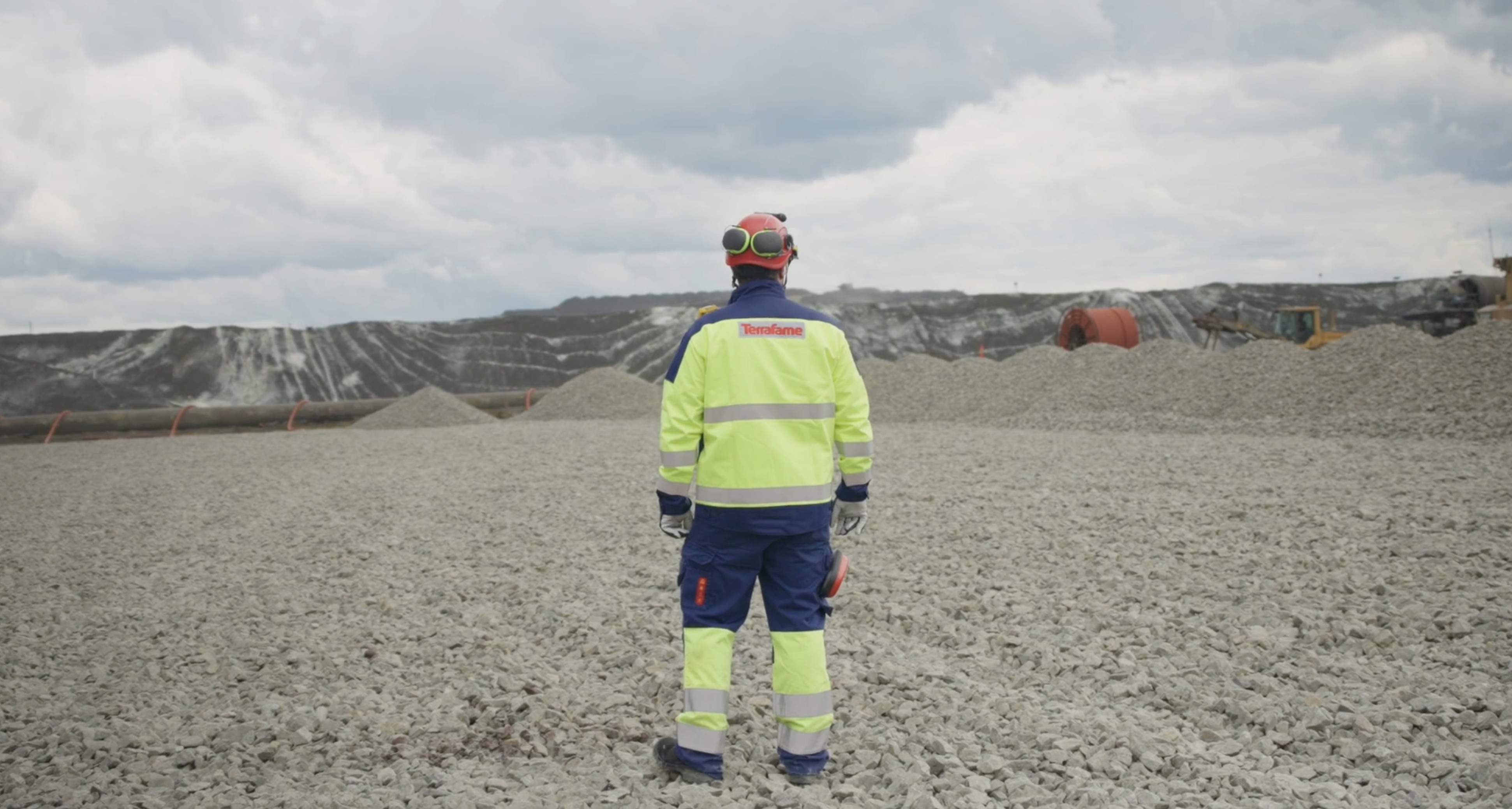

Sustainable Tropical Agriculture Through Science and Innovation
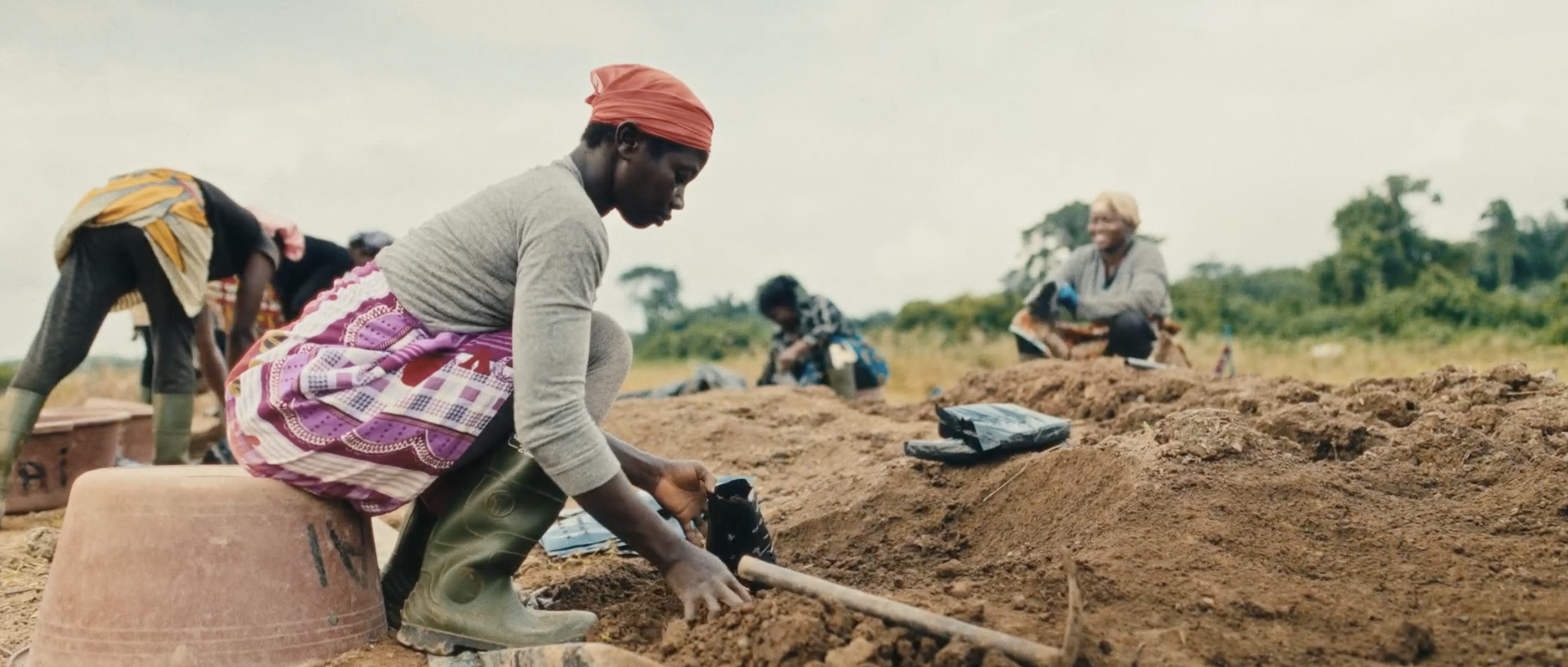
Discover how Sustainable Tropical Agriculture is evolving through science, innovation and responsible management. Learn more at https://socfin.com.
Sustainable Tropical Agriculture: Producing Better, Not Simply More
For more than a century, agriculture has been driven by one simple ambition: produce more.
Today, that ambition remains unchanged, but the way it must be achieved has fundamentally evolved. As climate change reshapes growing conditions, biodiversity faces increasing pressure and global demand for agricultural commodities continues to rise, the challenge is no longer simply increasing production. It is producing more responsibly.
This question lies at the heart of Acumen Media’s Sustainable Innovation campaign and is explored through Socfin’s documentary, which examines how Sustainable Tropical Agriculture can evolve through science, innovation and long-term stewardship.
Oil palm and natural rubber remain essential raw materials used every day in transportation, healthcare, food production, cosmetics and countless industrial applications. Ensuring that these products are produced responsibly has become one of the defining challenges facing modern agriculture.
Sustainable Tropical Agriculture Built on Agronomic Innovation
The future of Sustainable Tropical Agriculture will not be determined by cultivating more land. It will depend on generating more knowledge and producing more from every existing hectare.
This is where Agronomic Innovation becomes essential.
Research is helping develop improved planting materials that are more productive, more resilient to disease and better adapted to changing climatic conditions. Thus making it possible to increase yields while reducing pressure on land. Precision agronomy allows more efficient use of water, fertilisers and other inputs, while digital traceability strengthens transparency throughout increasingly complex supply chains.
At Socfin, these principles guide long-term investment in research and development. Through dedicated research centres in Africa and Asia and collaborations with internationally recognised institutions such as CIRAD and Ghent University, the Group continuously develops improved planting materials and cultivation practices designed to enhance productivity while preserving natural resources.
Innovation also extends beyond the field. Responsible Plantation Management, robust governance systems, certification programmes, traceability and structured dialogue with local communities all contribute to building more resilient agricultural value chains. Together, these initiatives demonstrate that sustainability is not a standalone objective but an integrated way of managing operations.
Sustainable Tropical Agriculture for Future Generations
Expectations towards agricultural companies continue to evolve. New regulatory frameworks such as the European Union’s Deforestation Regulation (EUDR) and Corporate Sustainability Reporting Directive (CSRD) are accelerating the transition towards greater transparency and accountability across global supply chains.
Within this changing environment, Sustainable Palm Oil and Natural Rubber remain indispensable materials for modern society. Their long-term future depends not only on meeting growing demand but on ensuring that production protects forests, supports local communities and contributes positively to economic development.
This is the ambition that underpins Socfin’s long-term strategy.
The future of Sustainable Tropical Agriculture will not be written by expanding further into nature. It will be shaped through science, innovation and responsible management, enabling agriculture to produce better before simply producing more.
To learn more about Socfin’s approach to sustainable agriculture, innovation and responsible management, visit www.socfin.com.