Sustainable Jewellery and High Craft
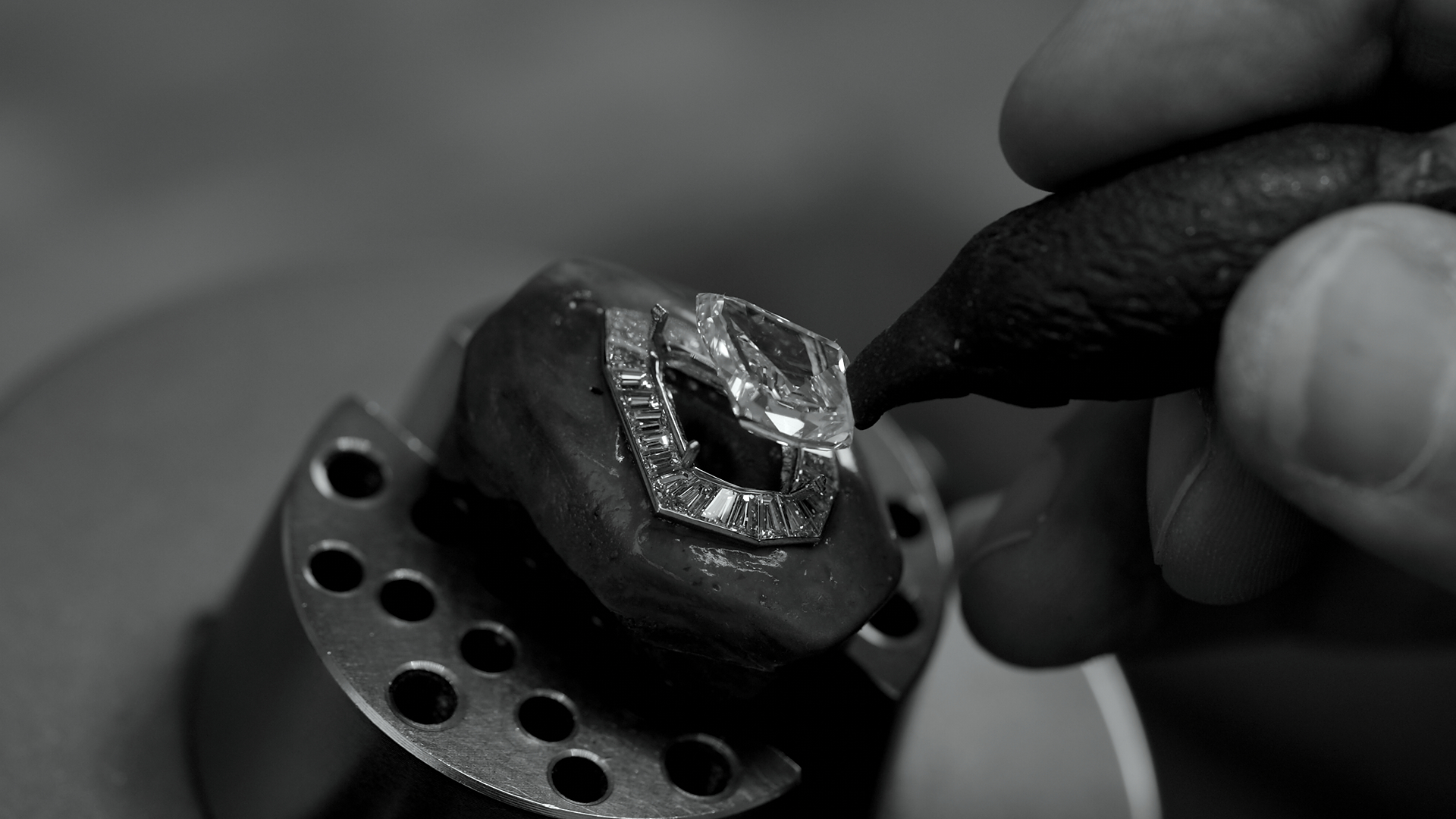
How Boucheron is advancing sustainable jewellery through traceability, eco-design and accountable craft.
Sustainable Jewellery and the New Standard
High Jewellery is built around objects that are made to last. A ring, necklace or watch can remain in circulation for decades, carried between owners and preserved through repair. That durability gives jewellery a different relationship to consumption than many other luxury categories, but it also places more pressure on how each piece is made.
The materials behind High Jewellery often travel a long way before they become finished creations. Gold, platinum and diamonds may pass through several stages of sourcing, processing and certification before reaching a workshop. For the sector, sustainability is therefore becoming a question of evidence. It is no longer enough for a finished jewel to be durable. The systems behind it must also be documented.
This is where the industry is beginning to move. Greater transparency is changing how value is understood, because provenance now carries commercial and cultural importance. Clients still come to High Jewellery for beauty and craft, but they are increasingly likely to expect clarity on origin and process.
Traceability and Design in Practice
Boucheron provides a useful proof point for this shift. Its “Precious for the Future” framework, established in 2022, organises the Maison’s sustainability work around raw materials, operations and people. The framework is practical in structure, asking where materials come from, how the Maison works, and who is behind the organisation.
On raw materials, Boucheron’s 2025 Progress Report records several measurable advances. All newly sourced centre diamonds within key round and emerald-cut ranges are fully traceable from mine to workshop. The report also states that all platinum used in Boucheron jewellery is RJC Chain of Custody certified, with 96% sourced from recycled materials.
Boucheron’s work on packaging shows how the same logic can be applied beyond sourcing. Its 2024 Impact Report details the Maison’s “No Pack is the New Pack” jewellery case, developed through an eco-design approach. The former case was replaced by a lighter model made from aluminium and wool felt. It reduced the number of components from f to three and was designed so it could be reused and disassembled for recycling.
The 2025 Progress Report gives the project a measurable result. The new aluminium-and-wool jewellery box achieved an 18% reduction in environmental impact compared with the previous box. For a sector where presentation is part of the ritual, this matters. It shows that sustainability can be addressed within the details of the client experience, rather than being confined to the supply chain.
A More Accountable High Jewellery Sector
The movement of High Jewellery into sustainability is also changing how Houses think about their own organisations. Boucheron’s 2025 Progress Report states that women make up 71% of its total workforce and hold 54% of leadership positions, including both the CEO and Creative Director. Its Women in Luxury mentoring programme, launched in 2024, was extended in 2025 to include male mentors.
Those details point to a broader industry reality. Sustainability is not only a materials question. It also depends on governance, training and the ability of an organisation to keep improving its practices over time. Reporting has become part of that process, because it allows progress to be measured rather than simply stated.
For High Jewellery,craft and desirability remain essential, but they are now being supported by stronger expectations around sourcing, environmental impact and organisational responsibility. Boucheron’s reporting shows how a heritage Maison can respond through specific systems and measurable changes. In that sense, sustainable jewellery is moving from aspiration into method.