
Human connection still matters
Why AI won’t replace HR, and what we can learn from a complex market like Brazil
Brazil is home to one of the world’s most dynamic and complex labor markets, shaped by a highly diverse workforce, continental-scale operations, and a fast-moving wave of corporate digital transformation. In recent years, HR has deepened its strategic role within organizations, becoming more closely aligned with business priorities while continuing to support essential workforce functions. Faced with deep structural challenges, such as the record-high number of more than half a million workers taking leave due to mental health conditions in 2025, according to government data, alongside the growing pressure to retain talent, companies have increasingly turned to technology to navigate this new landscape.
In this context of rapid transformation, artificial intelligence is no longer viewed as a futuristic concept but an essential business tool. Although its rise continues, a recurring question in Brazil and around the world still exists: will AI replace HR professionals? The answer, supported by both experts and market trends, is no. Rather than replacing people, AI is enabling HR teams to become more analytical, strategic, and, paradoxically, even more human. For global HR leaders, this complexity makes Brazil a critical case study: if AI can deliver strategic value in this environment, it can work anywhere.
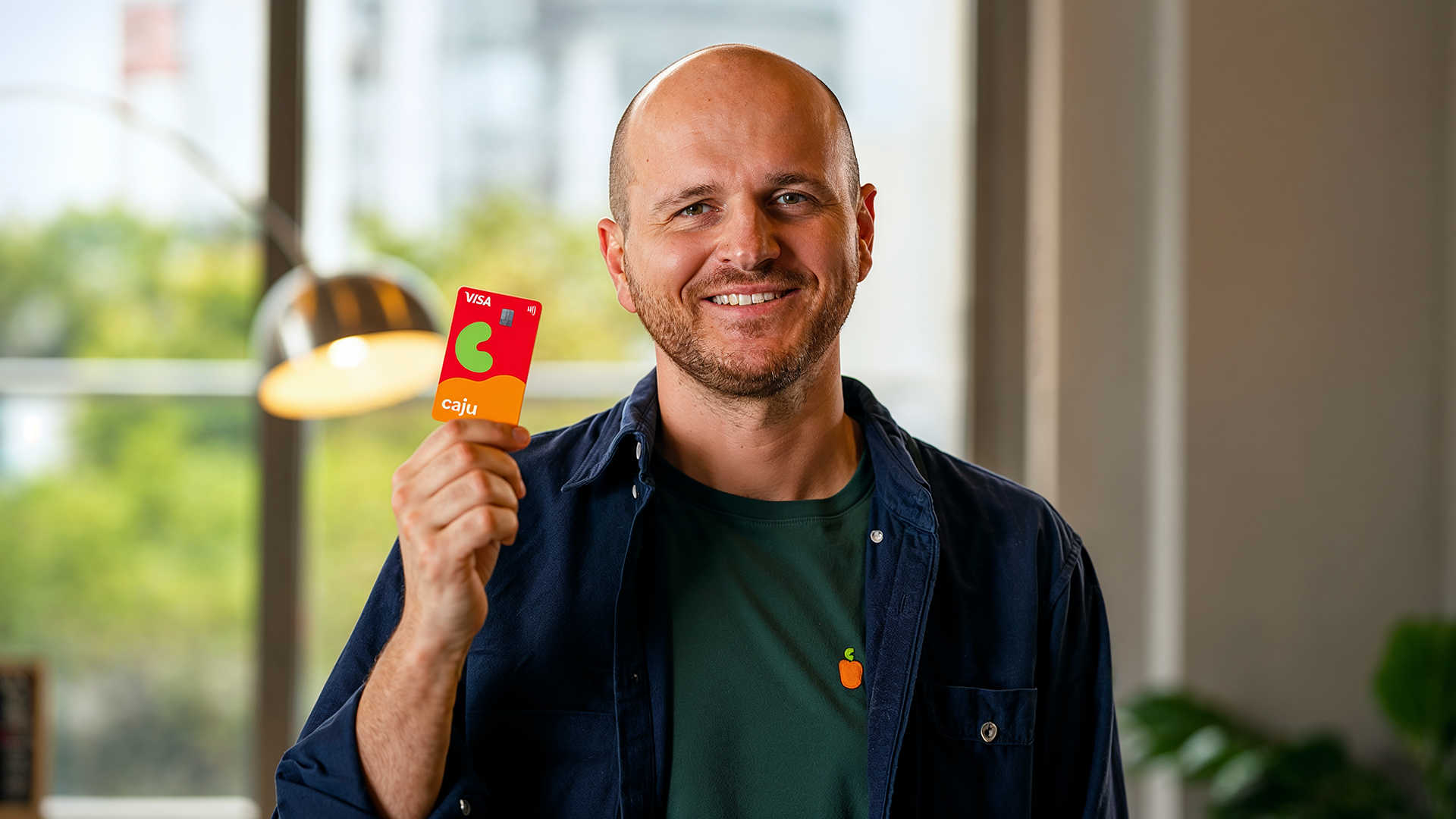
That transformation is already happening. A study conducted by Cajuína, the intelligence and content division of Caju, a technology company focused on benefits, expense management, and people solutions, in partnership with Fundação Dom Cabral (FDC), found that 68% of Brazilian companies are already using or testing AI solutions in their people management processes. Among organizations with more than 1,000 employees, that number rises to 82.6%. The areas seeing the greatest impact are Recruitment and Talent Acquisition and Data Analytics where the technology is delivering measurable efficiency gains. For 55.7% of respondents, the biggest time savings come from tasks that are largely operational by nature: resume screening and candidate pre-selection.
What makes Brazil’s experience particularly strategic for global organizations is the context in which this adoption is happening. Brazil’s labor market is one of the world’s most complex: with roughly 213 million people and over 100 million workers, it makes a demanding environment for AI, where solutions must work across very different regions, continental-scale operations and levels of digital maturity. Unlike markets where AI adoption is driven primarily by cost-cutting, Brazilian HR leaders are using AI to automate more operational tasks, such as large-scale data analysis, giving professionals more time to focus on strategy and higher-value work.
The result is a model where technology and human judgment are not competing forces, but complementary ones. The line between humans and machines is therefore being reshaped into a relationship of complementary strengths. According to the same survey, nearly 70% of respondents said their perception of the human role in HR has changed as AI advances, opening space for a more interpretive, relational, and strategic professional profile. Research from global consulting firms such as McKinsey reinforces this view, highlighting that AI should serve as an advisor rather than an authority, since ultimate accountability for decisions and outcomes remains inherently human.
In this sense, the area plays a critical role as the bridge between the efficiency of machines and the human dimension of company culture. Its responsibility is to ensure that technology enhances workplace relationships, creating room for richer and more meaningful interactions
rather than dehumanizing. Given the complexity of operating in Brazil, the lesson for global organizations is clear: AI in HR works best when it is designed to scale with human judgment, not replace it. As long as organizations are made up of people, empathy, active listening, and inspiring leadership will continue to require human sensitivity. The future of HR will not be robotic; it will be empowering.