Water is the Messenger of Climate Change
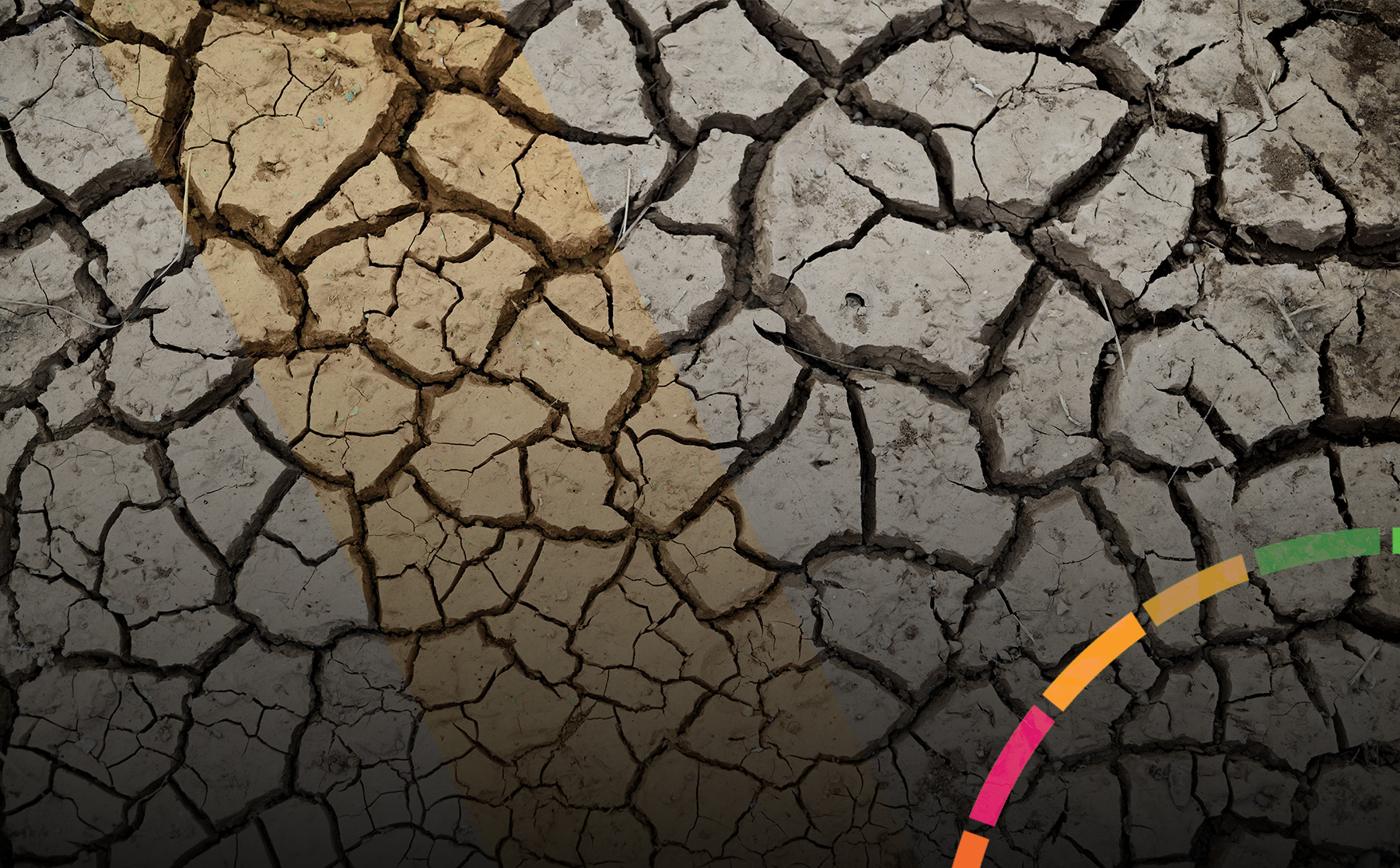

As climate extremes intensify, water reveals the urgency of unified global action.
As Climate Week unfolds, attention is turning to one of the most urgent and universal challenges of our time: water. From rising sea levels and flash floods to prolonged droughts and infrastructure failures, water is no longer just a resource – it’s a signal of a planet under severe stress.
Grundfos, a global leader in water solutions based in Denmark, is participating in this year’s campaign to spotlight the role of water in climate resilience.
“Too much, too little, or mismanaged – water shows us where and how we need to act. We need global policies that prioritize water cycle protection. We need innovation in water treatment, circularity, and energy efficiency. And above all, we must take unified action now,” Hamed Heyhat, Grundfos Executive Vice President and CEO, Water Utility, said.
The Hidden Costs of a Thirsty World
Water scarcity is already reshaping migration patterns, food systems, and urban planning. In the Colorado River Basin, aquifers are being depleted faster than they can recharge. Meanwhile, flooding is becoming more frequent and severe—even in historically dry regions.
Water pollution adds another layer of complexity. In many cities, outdated sewer systems are contaminating rivers and lakes. In rural areas, agricultural runoff is seeping into groundwater, making tap water unsafe and forcing families to rely on bottled water or filtration systems.
Beyond environmental and health impacts, water is central to modern infrastructure. It creates comfort in buildings, sustains agriculture, and cools the data centers that power our digital world. As artificial intelligence and cloud computing expand, so does the demand for cooling—and with it, water use. By 2027, global AI operations could consume up to 6.6 billion cubic meters of water annually.
This growing consumption in industrialized regions stands in stark contrast to the scarcity faced by billions elsewhere. According to UNICEF, 2.1 billion people still lack access to safely managed drinking water. The World Bank estimates that $7 trillion is needed by 2030 to close the global water infrastructure gap.
From Smart Cities to Global Solutions: Mobilizing for Water Resilience
Some companies are exploring solutions, including deep-water cooling systems, predictive maintenance technologies, and smart infrastructure to minimize water loss. Grundfos is among those leading the way – developing technologies that improve efficiency and reduce waste. But Heyhat emphasizes that no single company or sector can solve the crisis alone.
“We need global policies that prioritize water cycle protection,” he said. “We need innovation in water treatment, circularity, and energy efficiency. And above all, we must collaborate.”
As Climate Week continues, Grundfos is showcasing its presence in New York City as part of a broader conversation about water resilience. But the message extends far beyond any one city or company.
“Protecting water isn’t just about sustainability—it’s about survival. The future will depend on how quickly and collectively we respond,” Heyhat says.
Find out more about the Climate Week Campaigns