
The Surprising Innovation Shaping the Future of Food

Cargill’s food innovation connects farms, science and technology to strengthen the food system and create meals people love
Food has a story.
Behind every bite of pasta marinara, piece of chicken or square of chocolate is a web of innovation — soil science, functional nutrition, AI-enabled insights and sensory research. At Cargill, those threads are being rewoven to help make the world’s food system more efficient, more resilient, and ready for what’s next.
Walk down any grocery aisle and you see it: expectations are rising, while pressures stack up. Shoppers want food that matches their health goals without losing taste. Restaurants and brands need to keep menus fresh while managing costs. Farmers are navigating volatile weather, inputs and markets. And supply chains are being tested by consistent disruptions.
Cargill sits at the center of this reality — as a food and agriculture company committed to providing food, ingredients and agricultural solutions to nourish the world in a safe, responsible and sustainable way. The company’s food innovations connect the system from farm to table: how crops are grown, ingredients are made, animals are fed, and food reaches people’s plates.
None of this happens alone. “Collaboration is our secret ingredient,” says Florian Schattenmann, Cargill’s chief technology officer. “Partnership is how we move good food forward.”
The future of food will be decided by how well the entire food system works together, turning innovation and science into real-world solutions that work for farmers and deliver meals people love.
Farm to table innovation begins with farmers
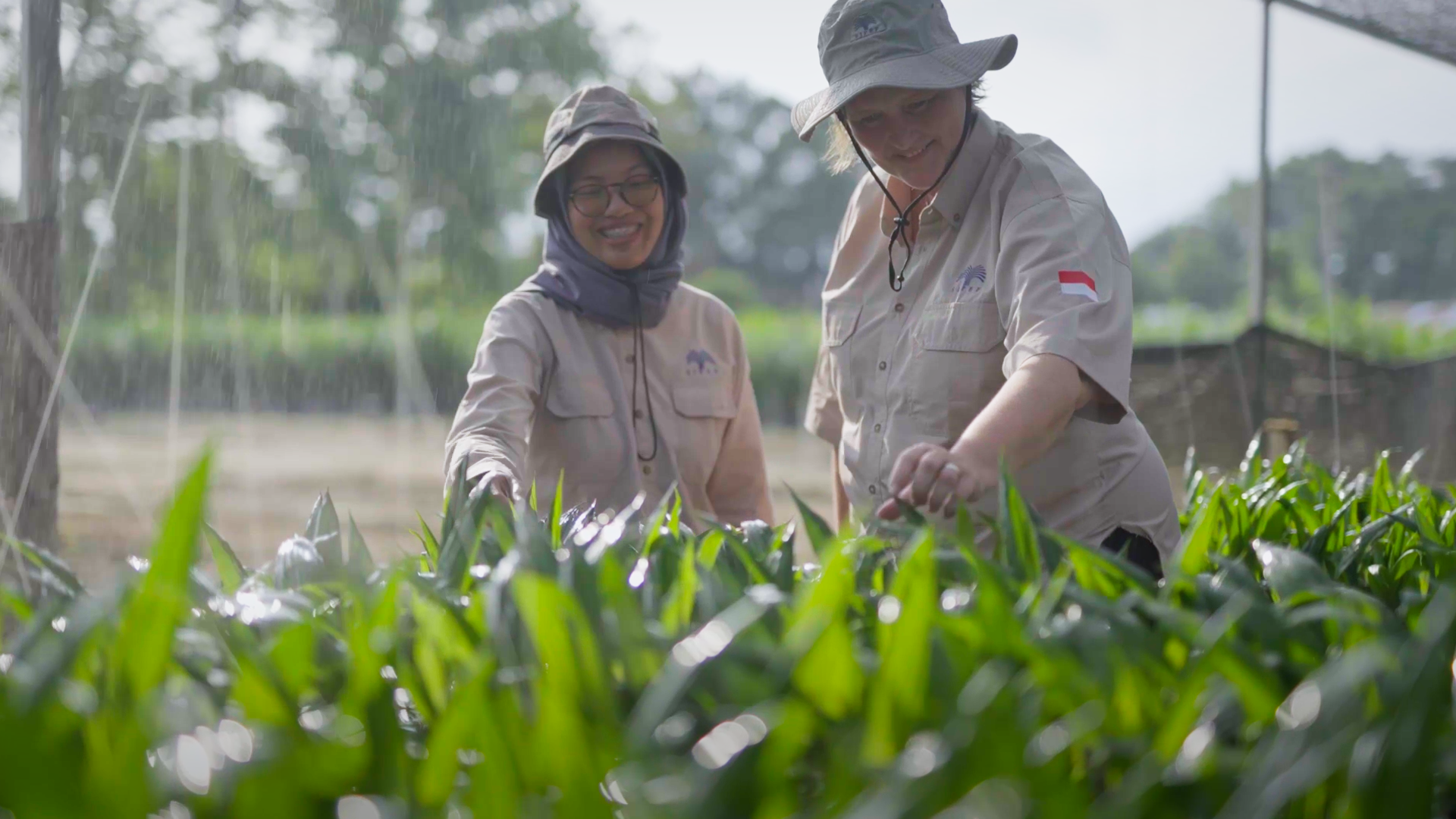
Cargill’s CEO Brian Sikes puts it plainly: “If farmers can’t win, people won’t eat.” This captures the food system’s basic math: resilient food systems make everyday meals possible. Food innovation begins on farms where data and precision tools help producers make better decisions, faster.
In Brazil, Cargill’s tomato business is rooted in partnership, from selecting resilient seeds to supporting farmers with irrigation, soil health and more sustainable growing practices. Tomatoes are monitored from field to factory to help preserve the flavor and nutrients that define Elefante tomato products.
In the U.S., healthier meals start with healthy animals. Cargill’s AI-enabled platforms track poultry gut health, giving farmers insights to manage flock feed and care. The goal: improve efficiency and keep food moving at scale.
Food innovation: meeting changing consumer needs
Consumers are changing, too, looking for healthier options, better value and experiences that feel worth it.
“Food is a common language that connects us,” Schattenmann adds.
That’s why Cargill co-creates with customers and scales what works into foods that support wellness goals, including functional nutrition and evolving protein preferences, while protecting what matters most: taste, affordability, and trust.

Where sensory science meets delight
Food is personal. That’s why sensory science, which explores how the five senses shape enjoyment, is a growing part of food innovation. Cargill teams study how taste and texture translate into emotion, from the snap of chocolate to an aroma that sparks nostalgia.
When recipes change to reduce sugar, introduce new ingredients or add protein and fiber, sensory insights help ensure the end product still fits people’s lifestyles and preserves the joy of eating.
Resilience, nutrition, and great taste can co-exist. This is what food innovation looks like in a modern food system, with science, partnership and scale working together from farm to table.
Find out more about Innovation & Disruption Campaign