
Sustainable solutions through 140 Years of Biotechnology

Pioneers in sustainable biotechnology, Nagase Viita creates bio-based materials that support a circular economy
Pioneering Biotechnology towards a Sustainable Future
In today’s rapidly evolving biotechnology landscape, the global shift toward bio-based and sustainable materials is reshaping industries from food, agriculture, personal care to pharmaceuticals. Leading this transformation is Nagase Viita Co., Ltd., a Japan-based organisation that unites a 140-year heritage with deep expertise in enzymes and carbohydrates. By harnessing natural processes to create high-value materials such as trehalose and pullulan, the company is demonstrating how biotechnology can meaningfully advance a circular, low-carbon economy.
Nagase Viita’s story begins in 1883, when it was founded as a starch-syrup manufacturer in Okayama, Japan. This strong technical heritage laid the groundwork for a landmark achievement in the 1990s: the enzymatic, large-scale production of trehalose. Trehalose, which is a natural sugar used by organisms to withstand stress and dehydration, remains the company’s signature product. In food applications, it helps maintain freshness, enhances taste and texture, and reduces food waste, strengthening both food-system resilience and sustainability.
The company’s biotechnology philosophy is firmly rooted in environmental responsibility. Trehalose is produced from starch, a naturally derived raw material, using proprietary microbial and enzyme-based technologies. This gentle, solvent-free process delivers a lower environmental footprint and supports broader climate objectives by reducing greenhouse-gas emissions while contributing to more resilient global food systems.
Bio-Based Materials for a Circular Economy
Alongside trehalose, Nagase Viita also develops plant-based materials that align with circular-economy principles. One key example is pullulan, a naturally derived polymer widely used in pharmaceutical capsules, edible films and personal-care applications. As awareness of finite resources grows, industries and consumers increasingly favour alternatives to petrochemical-based materials.
Pullulan is produced by microbial fermentation of starch syrup, making it biodegradable, sustainably sourced and fundamentally different from conventional petrochemical polymers. This shift highlights biotechnology’s role in reducing reliance on fossil-fuel-derived materials.
Nagase Viita’s dual-focus R&D framework strengthens manufacturing while exploring novel materials and applications for launched products. The Innovation Unit investigates trehalose’s potential in agriculture. Trehalose-treated rhizobia can extend soybean seed-storage life and improve growth, validated through field trials already applied in South America.
Collaboration, Regulation and the Path Ahead
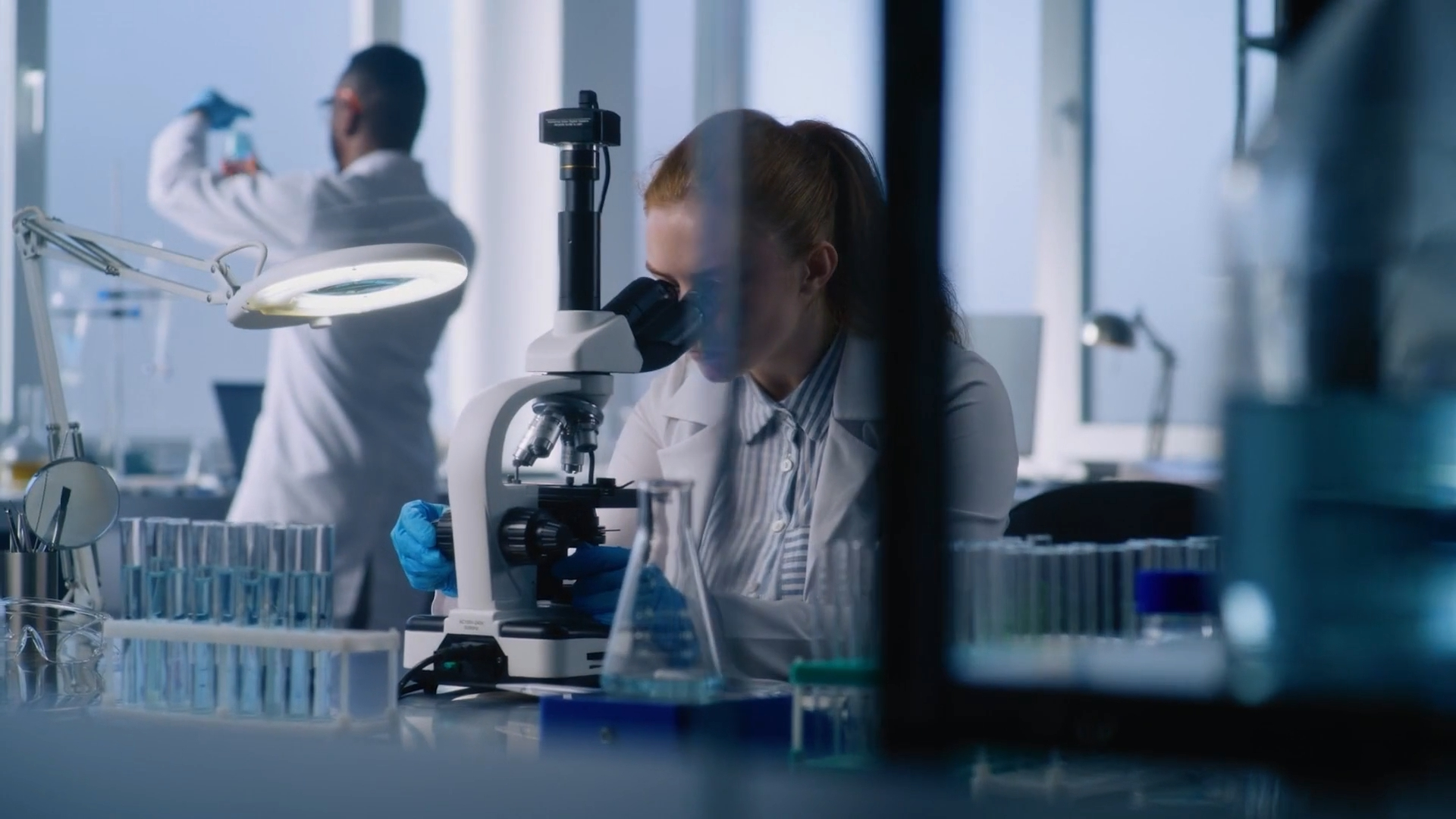
Collaboration sits at the heart of Nagase Viita’s innovation model. In November 2025, the company partnered with Okayama University to establish the “Laboratory of Glycobiology and Phytochemistry”, led by Dr Ooi Lia, a researcher with a PhD in Agricultural Science from the same institution. The laboratory explores how bioactive carbohydrates interact with plants, with Dr Ooi’s dual position creating a valuable bridge between academia and industry.
Regulatory challenges, however, continue to shape the path forward. Although fermentation-based production avoids harmful solvents and reduces energy use, EU frameworks may still classify such processes as “industrial” when scaled. Nagase Viita continues to advocate for innovation-supportive policies while advancing its work with non-food biomass and the up-cycling of waste streams to strengthen circularity across its supply chains.
From the sweetness of starch to the strength of science, Nagase Viita is demonstrating that sustainability is a continuous process shaped by creativity, collaboration and a deep commitment to our planet.
Find out more about GSTI Campaign