
Sustainable Innovation for a Better Future

As a material innovation company, Eastman supplies materials that are used as ingredients in all types of products – many of which are used in our homes every day, such as durable plastics that provide light weight and longevity to your kitchen appliances and provide clarity and toughness to your multi-use water bottles, to additives that provide performance to your wall paint, to interlayers for your car windshield and windows that provide quiet cabins and allow for heads up display graphics.
The company feels a responsibility to create innovative materials and recycling technologies to ensure there are more sustainable options for future generations.
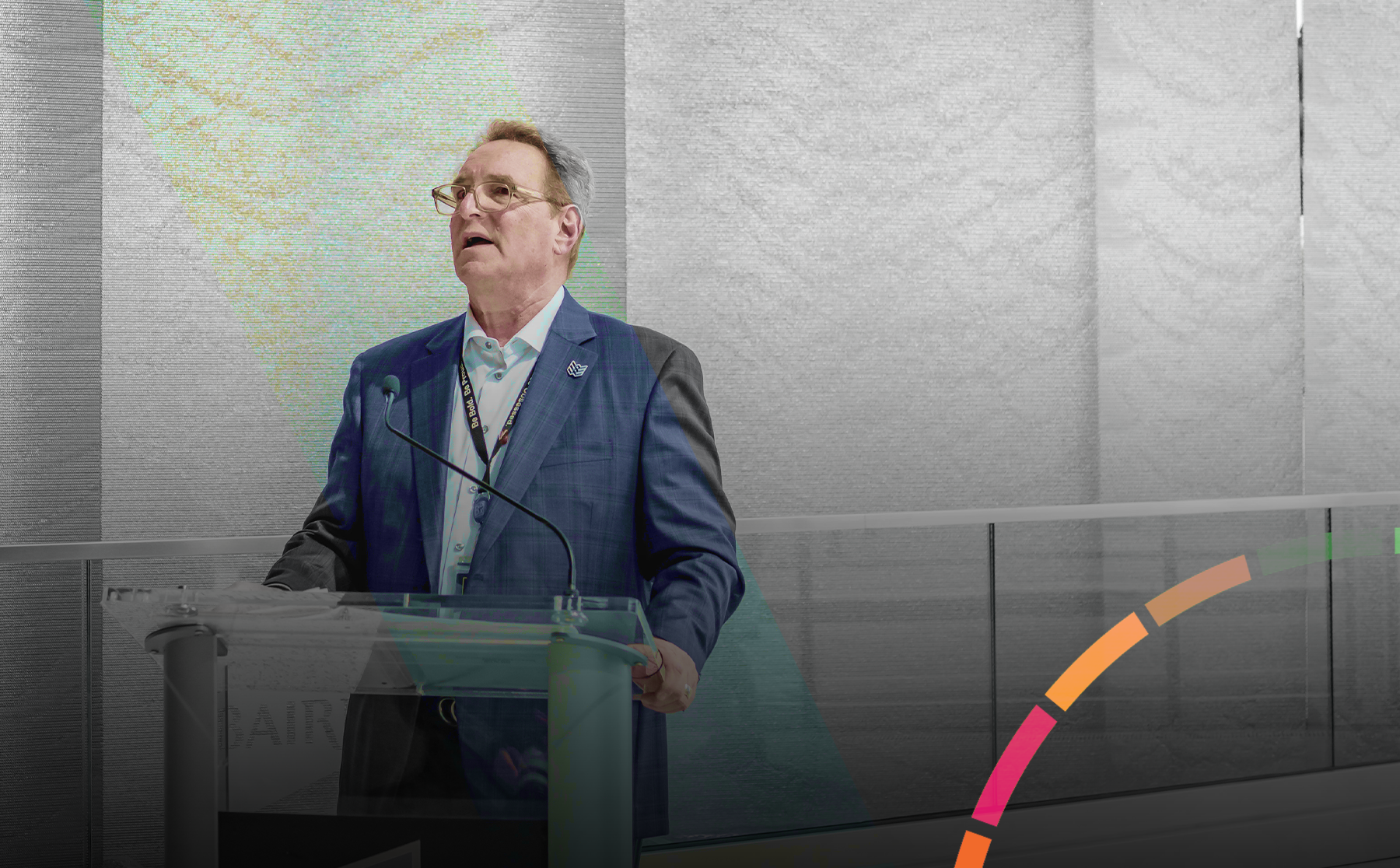
“In an age where the world faces great challenges, every day at Eastman feels like a combination of opportunity and responsibility,” said Chris Killian, Eastman’s chief technology and sustainability officer.
Eastman is focused on material innovation to address global challenges like plastic waste, climate change and materials of concern by creating better, more sustainable and circular materials. It’s why Eastman’s team of over 14,000 people across the globe are passionate about making a difference and building better materials for a better world.
“For the sake of future generations, product innovation in the materials industry must be more sustainable,” Killian said. “That’s where Eastman is advantaged. Our innovation and sustainability strategy are tightly integrated, and Eastman’s world class polyester and cellulosic biopolymer technology platforms are well positioned to serve the sustainable material needs both today and [in] the future.”
Enabling a new kind of recycling for plastic waste
Plastic waste and climate change are top concerns as the world’s most urgent environmental issues. To make a real impact on this global problem, new technologies must be developed and provide circular solutions to curb the reliance on new fossils. Greater than 90% of emissions associated with plastic production occur in the upstream steps of the fossil fuel process to chemical building blocks. This means technologies that can use waste plastic as a feedstock and convert them back to food-grade new plastic, without relying on new fossil resources, can make a huge impact on both waste and climate.
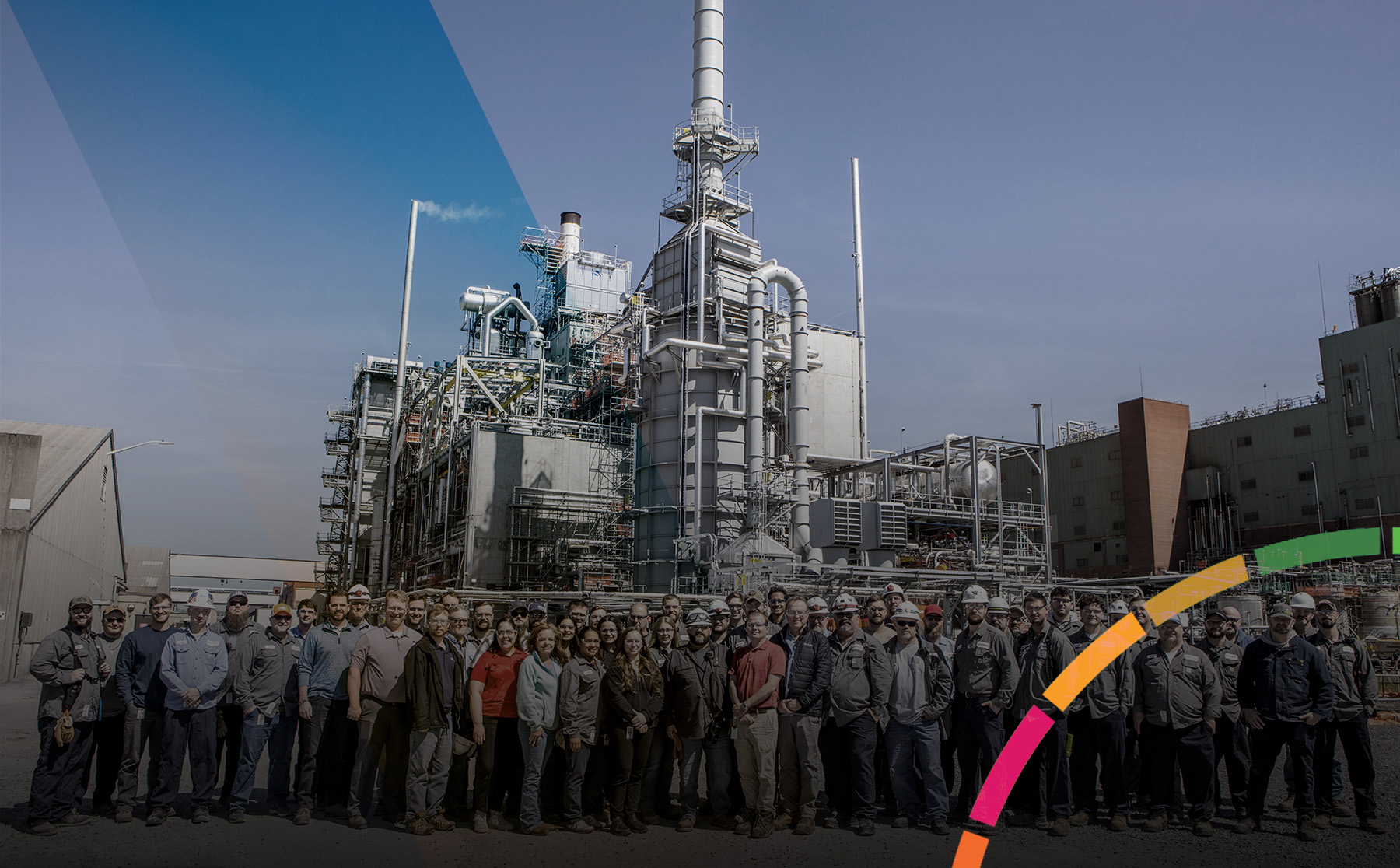
Eastman developed recycling technology that allows plastic waste to be reborn. The company’s molecular recycling facility, the world’s largest polyester recycling facility of its kind, is located at the company’s headquarters in Tennessee. This facility is taking hard-to-recycle plastic waste that was otherwise bound for incineration or landfill and recycling it in a way that allows the plastic to be as good as new – creating materials that can be used in a variety of end use applications across markets such as reusable water bottles, cosmetics and durable goods.
The facility came online in March of 2024 and is running at scale today with the ability to process 250 million pounds of plastic waste per year. That’s enough plastic to fill the Empire State Building in New York City over two and half times.
World leader in cellulosic biotechnology
Eastman’s product portfolio extends far beyond recycling plastic waste into new materials. The company has long been a leader in cellulosic biopolymers technology, delivering biobased, biodegradable cellulose materials that do not persist in the environment. This technology includes textiles, compostable material for food packaging, like protein trays and fast-food service applications, and powders for cosmetics. These materials deliver performance and biodegradability, so they don’t persist in the environment.
Sustainability macro trends drive Eastman’s innovation strategy
Eastman’s innovation strategy is driven by sustainability. The company’s focus is improving the sustainability profile over the incumbent solution in the market today. At Eastman, sustainability isn’t an additional consideration that’s nice to have – it’s a necessity.
“We innovate to achieve our purpose,” said Killian. “Our company exists to serve customers and consumers with products that enhance the quality of life and address those global challenges that threaten our world today, and we feel good about the path we’ve taken and the solutions we’ve created.”
Find out more about the Climate Week Campaigns