Rethinking the Workforce: How Brunel is Helping Industries Adapt to a Changing World

Across energy, engineering and digital sectors, global disruption is reshaping how businesses build and deploy teams. New technologies, skills shortages, and shifting market priorities mean that companies are rethinking traditional workforce models, and the partnerships that make complex projects possible.
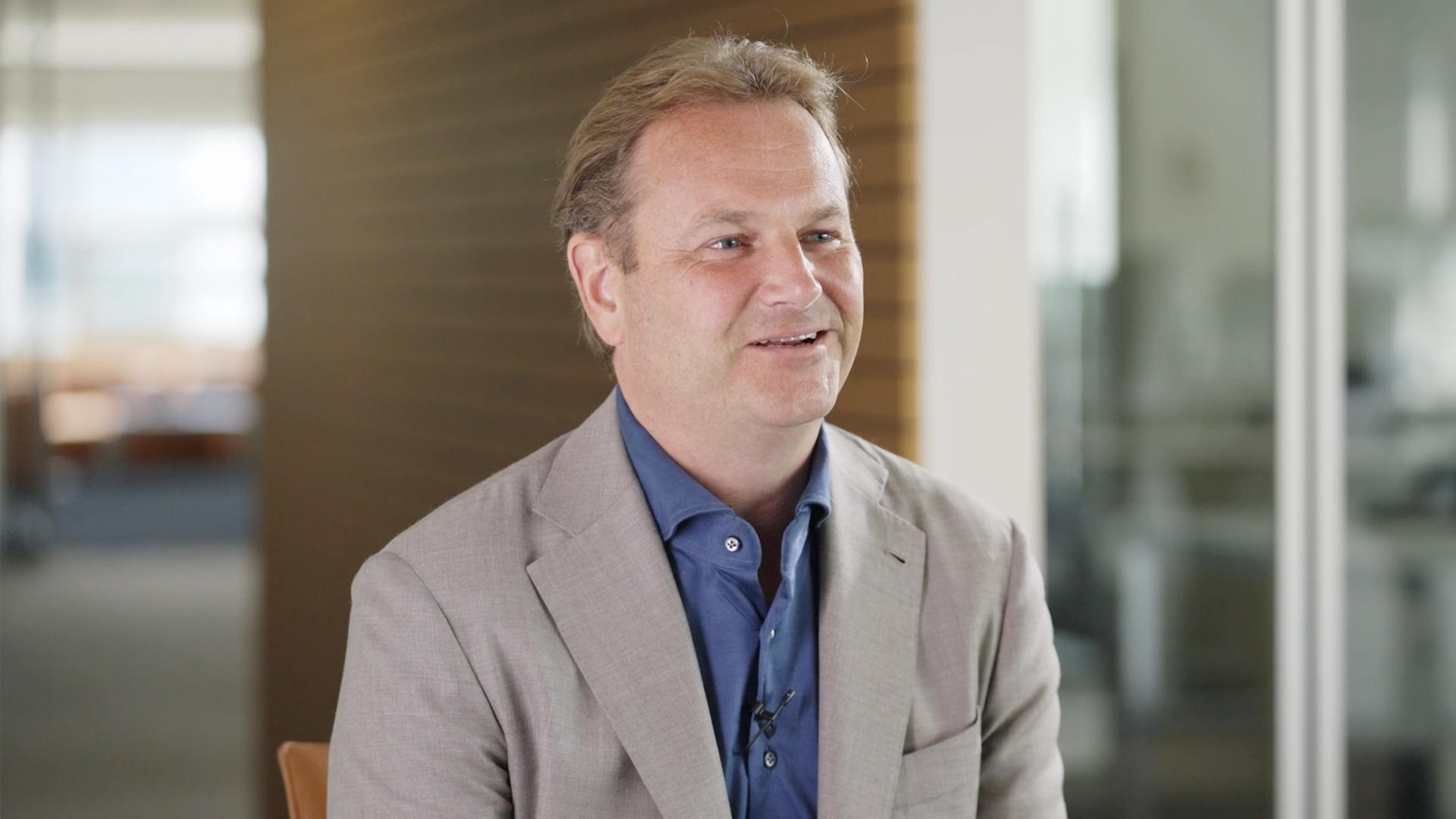
“For more than 50 years, we’ve helped industries evolve through major transformations,” says Peter de Laat, CEO of Brunel. “But the speed and scale of change today are unprecedented.”
What began as a technical recruitment firm in the Netherlands has evolved into a global workforce and project solutions partner, operating in more than 45 countries. Its role today is to help organisations mobilise talent seamlessly across borders, manage compliance with confidence, and scale specialist teams wherever they’re needed.
That agility is built into Brunel’s story. Founder Jan Brand chose the name after reading about a flower that thrives by adapting to its surroundings. He later discovered that it also belonged to Isambard Kingdom Brunel, one of the world’s most innovative engineers. The coincidence pointed to a neat metaphor for resilience and reinvention – qualities that continue to define the business today.
Powering the Energy Transition
That same adaptability is evident in Brunel’s work on the Inch Cape Offshore project, one of Scotland’s largest offshore wind farms. Once operational, it will deliver enough clean energy to power more than half of Scotland’s homes.
With fabrication spread across China, the project demanded close coordination, quality assurance, and a globally connected team. Brunel worked hand-in-hand with Taylor Hopkinson (part of the Brunel Group), to combine international reach with deep local expertise, managing contracts, compliance, and workforce delivery through teams based near key fabrication sites.
“As projects continue to scale, becoming more complex and with the increasing need for international workforces, clients are looking for a true global partner to offer full project solutions,” says Donna Daugherty, Brunel’s Global BD Director. “Working alongside our colleagues at Taylor Hopkinson allows us to meet those needs – safely, efficiently, and compliantly.”
Transforming digital to real-world
Partnerships are also reshaping the industrial landscape in the digital space. For Siemens, digitalisation is transforming operations, but success depends on how that technology is applied in the real world.
“We bring the platforms, the technology and the global reach,” says Arlette Barron, from Siemens AG. “But innovation only succeeds when the right people and compliance frameworks are in place to make it work.”
Together, Siemens and Brunel are connecting the digital and physical worlds through advanced digital twin technology, automating and future-proofing operations, improving efficiency, and helping global solutions scale safely across borders.
Looking Ahead
Across every sector, leaders face the same challenge: how to build the workforce that will deliver the ground-breaking projects shaping our future. Progress now depends on more than individual hires or traditional models: it requires new ways to mobilise, scale, and deploy talent compliantly, wherever and whenever it’s needed.
That’s where Brunel continues to make the difference: connecting people and projects worldwide, to turn ambition into real-world progress.
Find out more about GSTI Campaign