
Making Extinction a Thing of the Past
How Colossal’s mission is advancing the future of de-extinction and species restoration through cutting-edge bioscience and collaboration
If you ask someone which extinct animal they’d bring back, the answers tend to come quickly – the woolly mammoth, the dodo, the dire wolf. These instinctive responses reveal something important about human nature: we recognise the value of the species we have lost, and we are increasingly aware of the accelerating decline of those that remain. Today, that awareness is shaping one of the most ambitious scientific movements of our time.
Colossal Biosciences is the world’s first de-extinction and species restoration company, pioneering a new era where biotechnology and conservation work hand in hand. While extinction has always been part of Earth’s story, the pace at which species are disappearing today is unprecedented. Habitat loss, climate disruption, pollution, poaching, and shrinking genetic diversity are pushing ecosystems past their tipping points. It’s thought that by 2050, half of all species could be lost. The crisis is vast, but so is our capacity for innovation, and it is within this gap that Colossal is building entirely new tools for ecological restoration; tools designed not only to prevent further loss, but ultimately to support rewilding efforts that return species to functioning ecosystems.
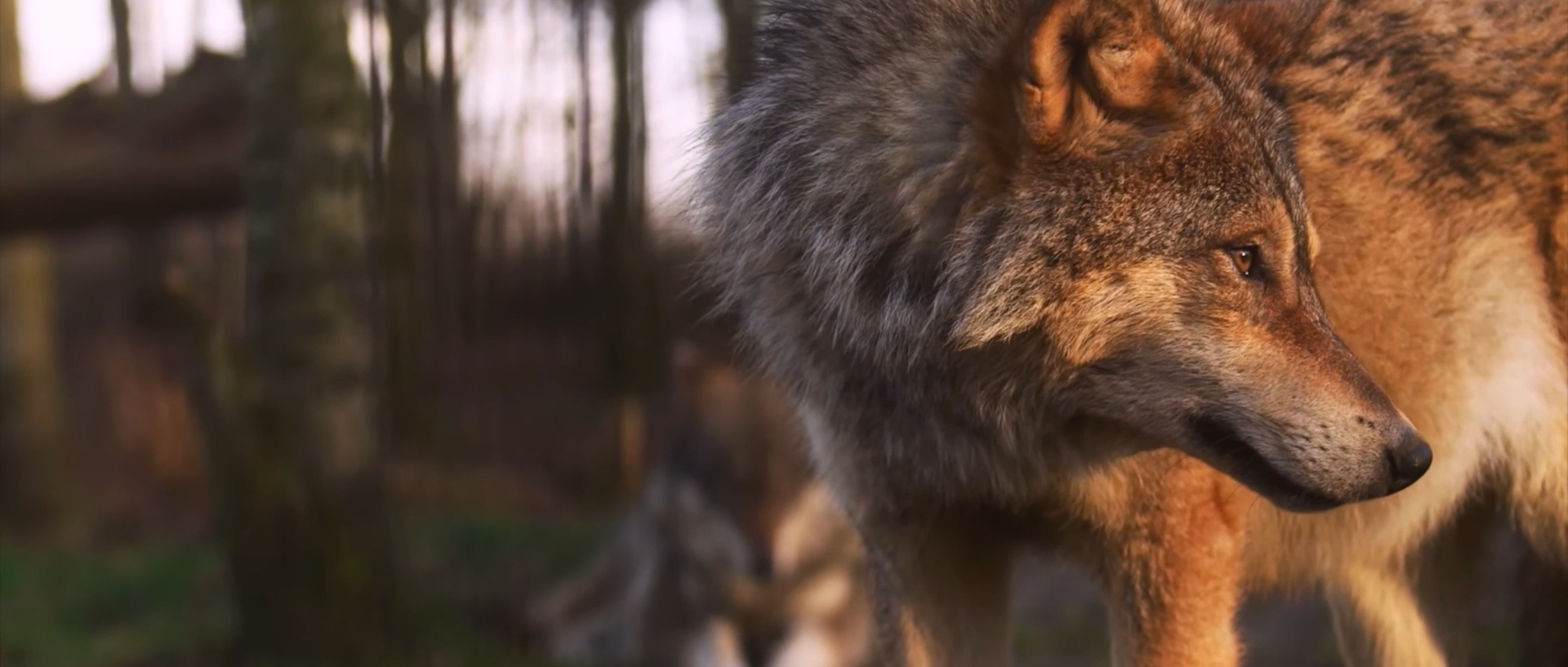
A prime example of this is the American red wolf, which illustrates why such innovation is urgently needed. With fewer than twenty individuals left in the wild, and all modern wolves descending from just fourteen founders, the species faces an extreme genetic bottleneck. Traditional conservation alone cannot restore the genetic diversity required for long-term survival. Colossal has confronted this challenge directly, applying technologies initially developed for the restoration of the dire wolf to modern conservation. The successful cloning of red wolf pups, including Neka Kayda the world’s first, in 2024, demonstrated that genetic rescue is both feasible and transformative. These breakthroughs offer a viable route for expanding the species’ genetic base and strengthening its prospects for long-term reintroduction and rewilding across its native range.
However, Colossal’s approach extends beyond scientific achievement. The company’s work is grounded in cross-disciplinary collaboration with conservation groups, leading researchers, and Indigenous communities. Partnerships with the Karankawa tribe of Texas, for example, highlight the cultural significance of species restoration and underline the importance of integrating scientific, ecological, and community perspectives. This model ensures that technological progress is matched by ethical diligence and cultural relevance.
Importantly, the company’s ambitions are not limited to a single species. Colossal is continuing to advance de-extinction projects involving the woolly mammoth, Tasmanian tiger, dodo, and moa, demonstrating capabilities across mammalian, avian, and marsupial biology. Each project contributes knowledge and tools that strengthen contemporary conservation and future rewilding strategies. The establishment of the non profit Colossal Foundation and the global BioVault biobanking network further exemplifies this commitment, creating long-term infrastructure for the preservation of endangered genetic materials.
As with any frontier field, challenges remain. Biodiversity loss continues to outpace the development of conservation solutions; regulatory frameworks are fragmented; and public understanding of de-extinction science is often shaped by speculation rather than evidence. Yet Colossal’s achievements suggest a turning point. By merging cutting-edge biotechnology with conservation practice, the company is helping to build a future in which ecological restoration and rewilding become both scalable and impactful.
The central message is both pragmatic and hopeful: extinction need not be permanent. With ingenuity, collaboration, and sustained scientific commitment, it is possible not only to prevent further loss but to restore resilience to ecosystems worldwide.
So, which animal would you like to see come back?
Find out more about GSTI Campaign