
Financial Inclusion in Focus: Women Driving Change
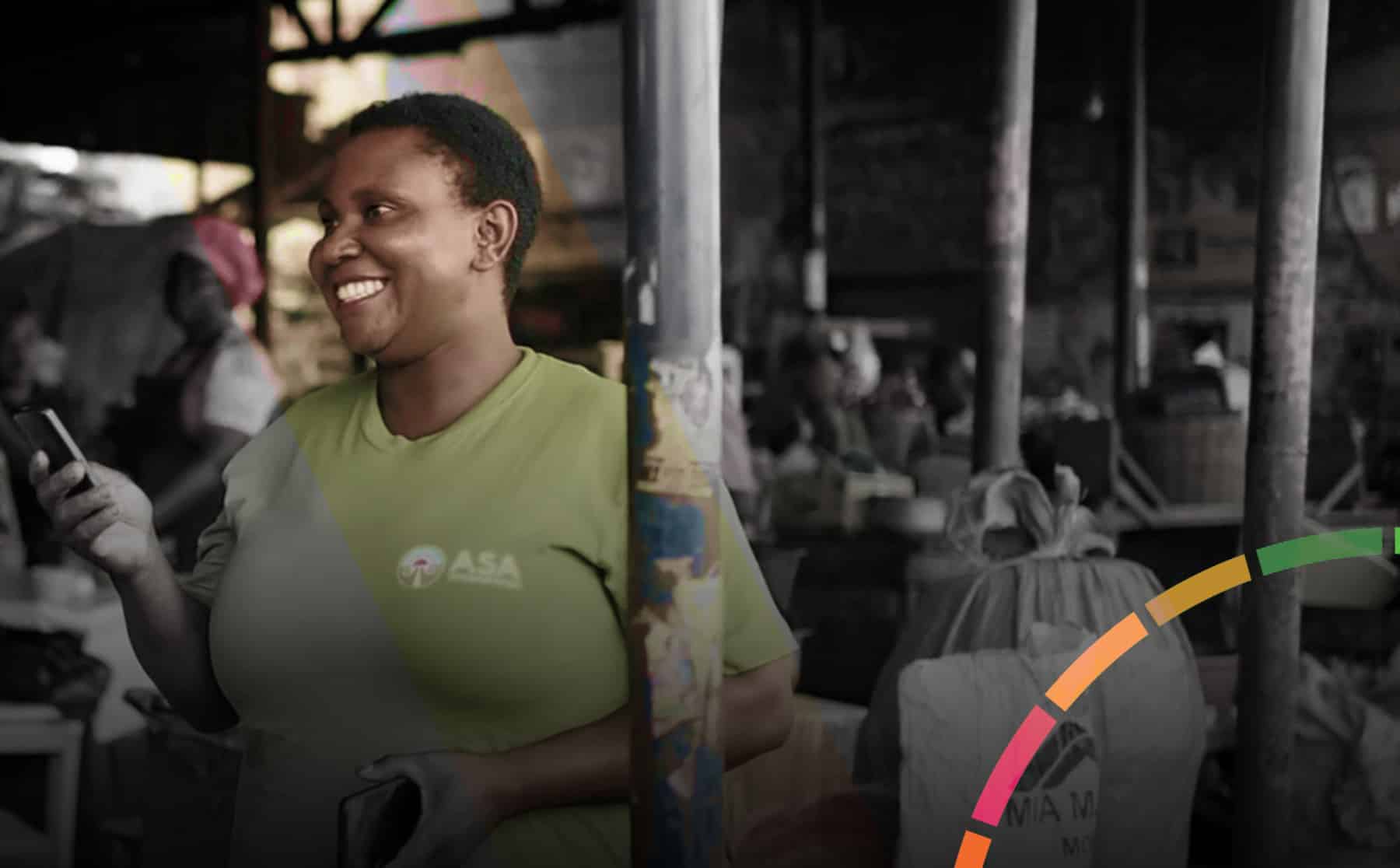

Description: Across Africa and Asia, women shape their futures with ASA International, where community trust powers financial inclusion.
Nearly 1.5 billion adults worldwide remain excluded from formal financial services, with women disproportionately affected. Without basic financial tools such as credit, savings or insurance, their ambition and potential are constrained, and families can face vulnerability and limited opportunity.
ASA International, an international microfinance institution, provides predominantly small loans to about 2.7 million low-income entrepreneurs across 13 countries in Africa and Asia 97% of its customers are women. In ASA International’s markets alone, an estimated 376 million women still lack access to formal financial services. For roughly 70% of its clients, a loan is their first step into formal finance. These small, socially responsible loans—averaging USD 300—enable women to start or grow businesses, generate steady income, and plan for their own futures and those of their families.
The impact of financial inclusion goes far beyond access to credit. World Bank research shows that access to finance enables people to plan, invest, and protect themselves against shocks, whether economic or due to life events, making it a powerful tool for reducing poverty and advancing sustainable development. When women gain financial tools, they strengthen household resilience, expand opportunities for their children, and invest more in health, education, and nutrition, creating benefits that last generations.
To deliver this impact and meet women where they are, ASA International follows the so-called ‘ASA Model’, an operational model built on simplicity, efficiency, and a deep understanding of each community. Unlike many other microfinance models, loans are individual and without joint liability, giving women both access and agency.
The delivery, however, is group-based. Loan officers of ASA International meet clients weekly, face-to-face, usually at a place where they live and work, as opposed to engaging via a formal bank branch. These gatherings are not only when loan instalments are collected; they also facilitate peer discussions where clients share challenges, celebrate successes, and strengthen financial skills.
With more than 2,200 branches located in the communities they serve, ASA International staff stay closely connected to clients’ daily realities, ensuring that services remain accessible, personal, and relevant. This door-step approach and presence also foster trust and accountability with clients, while helping the company to understand clients’ needs, identify challenges early, and maintain strong portfolio quality. With a current portfolio-at-risk over 30 days of just 1.5% (PAR>30), a key measure of loan repayment behaviour, ASA International shows that when women are trusted, supported, and listened to, both social impact and financial sustainability can thrive.
As client needs evolve, the ASA Model is adapting to expand its services and deepen financial inclusion. A major digital transformation is underway, leveraging fintech to extend the reach of this high-touch approach without losing its personal connection. A new client app combined with a new core banking system, mobile platforms, and deposit-taking licenses will bring loans, savings, and new products such as microinsurance directly to clients’ phones. By combining digital financial services with deep community engagement, women can access a broader range of financial services across more places, while remaining rooted in the networks that support their growth and success.
Financial inclusion is not charity; it is opportunity. Each woman who gains access to financial tools demonstrates the power of choice, agency, and ambition. Microfinance is more than credit, it is a platform for women’s economic empowerment, enabling them to grow businesses, strengthen families, and build resilient communities. Her power ripples outward, shaping households, local economies, and future generations.
Find out more about the Climate Week Campaigns