
Building bridges: AI and humanity at work together
AI is reshaping the world of work in every dimension. Job roles are shifting, new skills are emerging, and organizations are rethinking how they hire, develop and support their people. The pace of change is relentless – and so is the pressure to adapt. As AI redefines work, organizations and workers need support to navigate this new landscape with clarity and humanity.
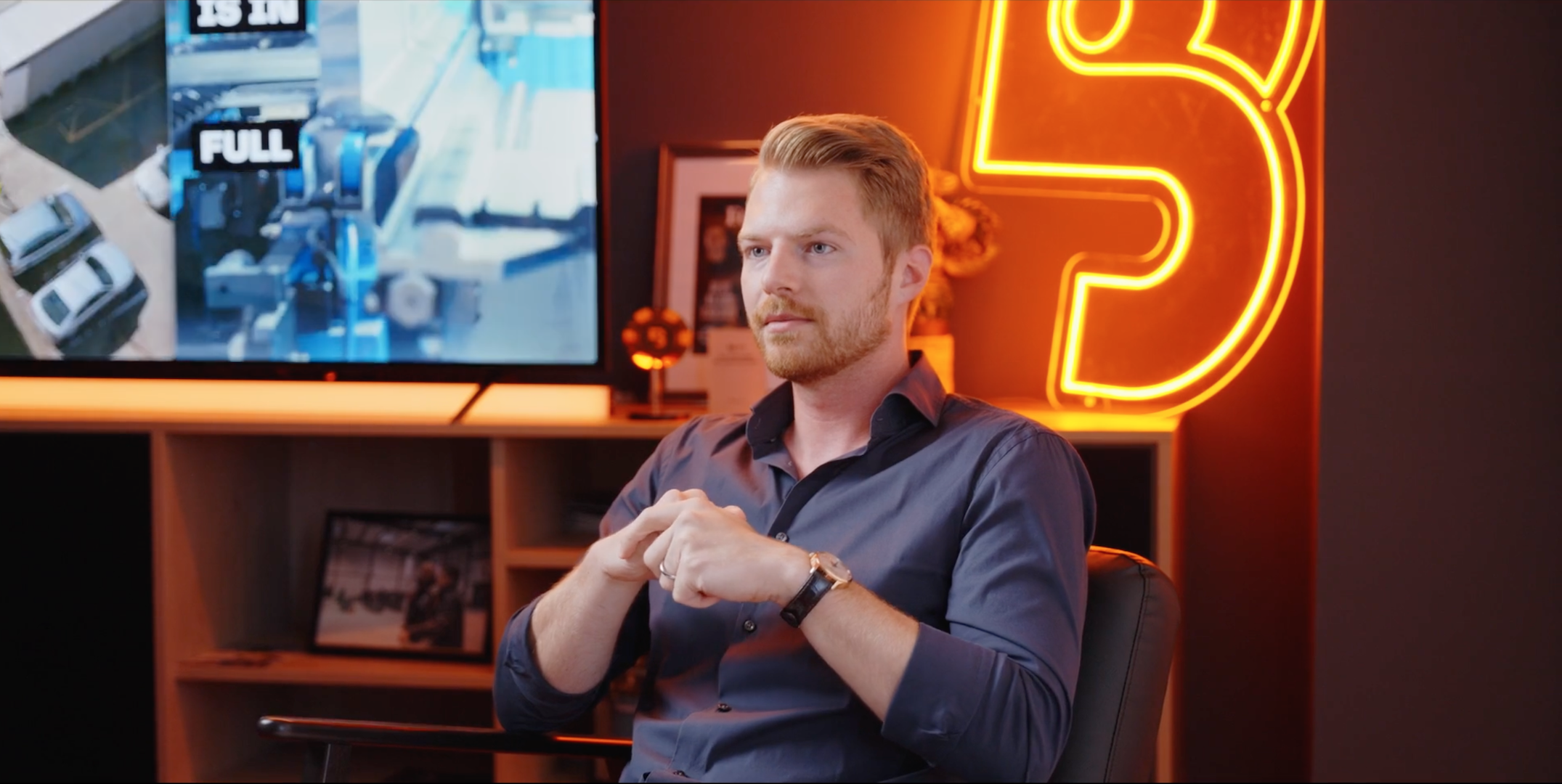
The Adecco Group’s CEO is optimistic that AI can elevate human potential: “AI is changing how work gets done,” says Denis Machuel. “But when we strike the right balance between talent and technology, we can lift human potential and strengthen businesses at the same time. That human edge has never mattered more.”
Workers share this optimism. According to the Group’s 2025 global research*, drawing on insights from 37,500 employees across 18 industries, 76% believe AI is creating more jobs and 70% say their roles are evolving rather than disappearing. The question isn’t whether AI belongs in HR, but how to integrate it responsibly and in ways that enhance human capability.
AI’s strengths – automating repetitive tasks, spotting patterns and analyzing data at scale – are already reshaping core HR functions. In recruitment, these capabilities translate into faster, more inclusive and more precise hiring. AI-powered tools enhance role matching, surface emerging skills and free recruiters to focus on what matters most – meaningful human relationships that shape careers and lives. It’s a powerful example of AI augmenting human potential in one of the most people-oriented spaces imaginable.
Still, disruption is real. People know their work is changing and many feel they are adapting faster than their organizations can support them. Seventy-one percent* say their AI-related skills are growing faster than the development opportunities they receive, which is why investment in lifelong learning becomes essential.
Skills are the new currency of work, and AI is changing the exchange rate
Investing in skills is more important than ever. Engineering academies, digital skills training, reskilling programs and coaching platforms are emerging as essential tools to help workers stay resilient and ready for what comes next.
What people want, above all, is to keep humans at the center of decisions that affect them. They trust AI with efficiency, but not with empathy. Technology can accelerate processes, but it cannot replace judgement, context or care. This is why the time saved through automation is so valuable: it allows people to spend more time doing what only people can do.
Ultimately, the future of work isn’t a choice between people and technology. It’s about designing a world where AI opens – rather than narrows – opportunity. As Denis puts it: “It is in our hands to shape the AI era with humanity. By leading with agility, investing in skills and continuing to put people first, AI can become a genuine bridge to opportunity for everyone.”
Find out more about GSTI Campaign