
AWG: How Independent Grocers Continue to Feed America
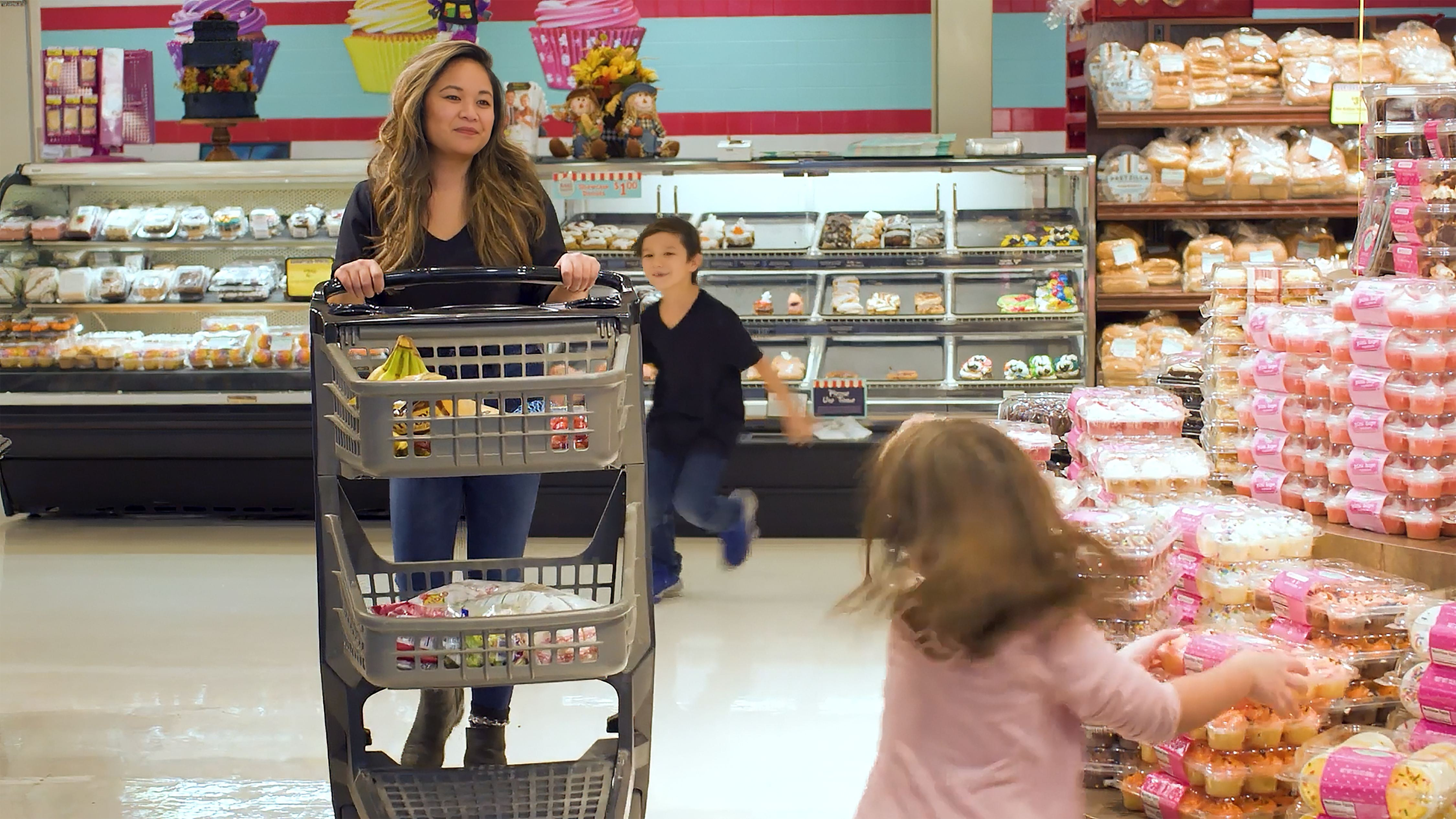
For generations, the local grocery store has been more than a place to buy milk and bread. In towns across America, it’s where neighbors run into each other in the produce aisle, where families pick up dinner after Little League practice, and where communities turn first when storms hit or supply chains falter. Long before “essential worker” became part of the national vocabulary, independent grocers were quietly serving as a lifeline in their communities.
For more than a century, Associated Wholesale Grocers has operated largely behind the scenes to help make that possible.
Founded in 1924, as America’s grocery industry began modernizing alongside a rapidly expanding nation, AWG was built on a simple but powerful idea: independent grocers could accomplish more together than alone. By pooling buying power and sharing infrastructure, small retailers gained the ability to compete in an industry increasingly dominated by scale.
That cooperative model remains at the center of AWG today.
Serving more than 3,500 independently owned grocery stores across 33 states, the company manages a vast distribution network that moves billions of dollars in products each year. But unlike a traditional corporation, AWG is owned by the retailers it serves. Whether a member operates one store or one hundred, each has an equal voice in shaping the organization’s future.
In many communities, independent grocery stores are family legacies passed from one generation to the next. Parents build businesses that children eventually help lead, creating a continuity that extends far beyond commerce. These stores become part of the identity of a town. Customers are known by name and employees are deeply connected to the people walking through the doors each day.
The scale required to support those stores, however, is anything but small. From millions of square feet of distribution centers to sophisticated logistics systems designed to anticipate blizzards, tornadoes, and supply disruptions, AWG operates within one of the most time-sensitive supply chains in the country. Technology and automation increasingly shape that work, helping products move more efficiently while improving safety and reliability across the network.
Yet even as the industry evolves, the company’s leaders point to something more enduring than technology: relationships. AWG and its members believe in giving back to the communities they serve, by supporting local schools, responding during emergencies, and serving customers with a level of care and familiarity that larger retailers often struggle to replicate. In an era increasingly defined by convenience and scale, human connection continues to matter.
The pace of change continues to accelerate and the challenges facing the industry are real. But AWG’s century-long history suggests that resilience in American grocery retail has never come from scale alone. It has come from people working together — retailers, suppliers, teammates, drivers, and communities — to ensure that local stores not only survive, but continue serving as the backbone of everyday American life.