

How Technology Is Powering Sustainable Development—From Asia to the Amazon
From the bustling streets of Manila to the rainforests of Colombia, a quiet transformation is taking place. Development professionals are adapting technology not as a cure-all, but as a powerful, practical tool to address complex environmental and social challenges. This is especially vital in regions like Asia, where climate vulnerability, rapid urbanization, and diverse political landscapes converge.
A newly re-released short film, Harnessing Tech for Sustainable Development, offers a glimpse into how technology is being applied in real-world contexts—not in theory, but in practice. The film showcases examples of digital innovation supporting everything from climate adaptation to biodiversity preservation.
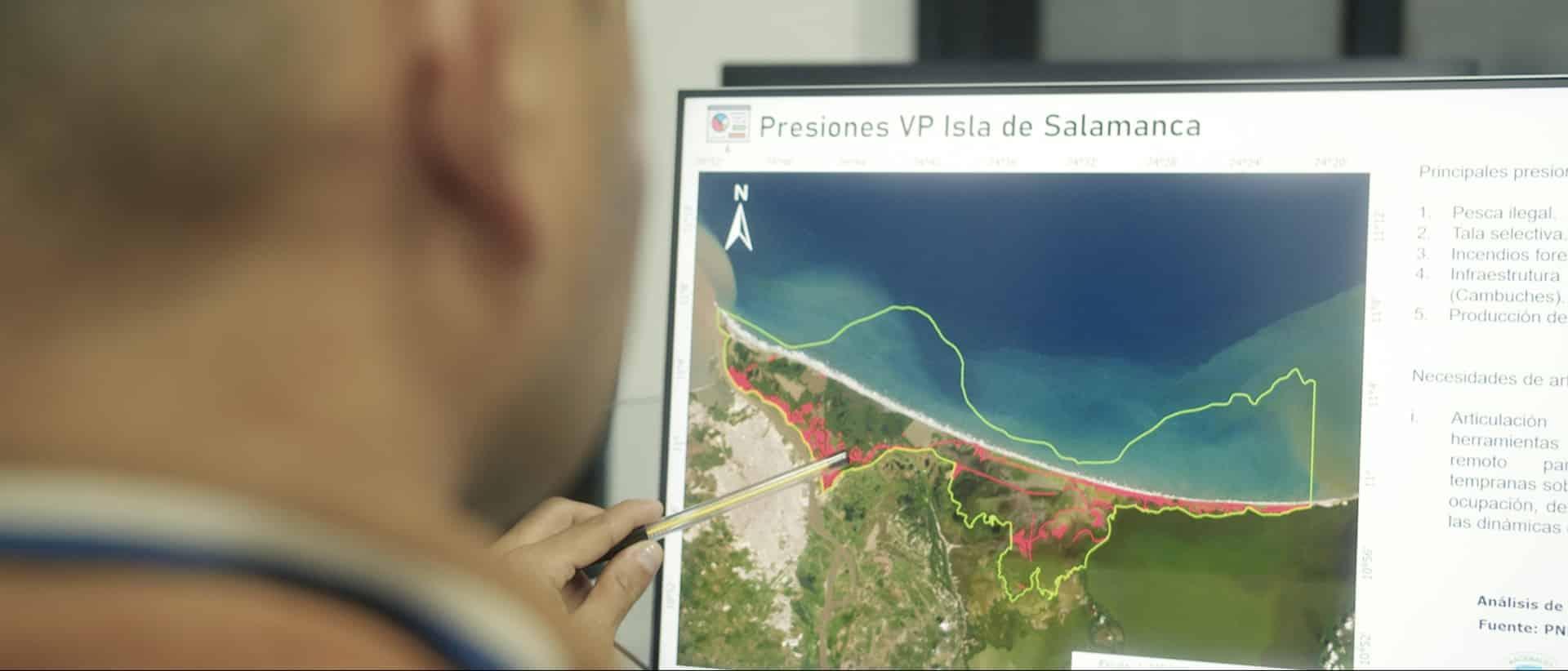
One of the film’s standout examples is Chemonics’ work with the Spatial Monitoring and Reporting Tool (SMART), an open-source software initially developed for conservation monitoring The tool has been adapted by Chemonics teams to meet country-specific needs across Asia and Latin America—including the Philippines, Bangladesh, and, most recently, Colombia. In Colombia’s biodiverse national parks, SMART is helping local experts quickly detect and respond to climate-related threats, while in Asia, it supports a broader effort to strengthen ecosystems under growing environmental pressure.
Chemonics, a Washington, D.C.–based organization with a 50-year history in sustainable development, has been active across Asia Pacific for decades. Their recent work includes pioneering new approaches to natural resource governance and climate finance in Indonesia by integrating digital tools and data systems that enhance transparency, accountability, and low-carbon development. In Fiji and Papua New Guinea, Chemonics worked to improve access to and management of climate financing, focusing on building the capacity of private sector actors and civil society organizations to implement, monitor, and report on climate investment projects. Increasingly, these efforts rely on data and technology to drive better, faster decision-making.
While the film highlights the promise of innovation, it also acknowledges the limits. “Technology on its own won’t solve inequality or reverse climate change,” said Chemonics President and CEO Jamey Butcher. “But it can help local institutions act more quickly, more accurately, and with better information.”
Australia’s Department of Foreign Affairs and Trade (DFAT), which has increasingly emphasized climate resilience, regional cooperation, and digital development, has long supported programs across the Asia Pacific that mirror these priorities. As DFAT looks to expand its impact through initiatives like the Partnerships for Infrastructure program, models like those shown in the film may offer useful lessons, aligning performance with sustainability.
What sets Chemonics’ approach apart is its emphasis on collaboration with local partners. Instead of importing off-the-shelf technology, the organization works alongside local governments, entrepreneurs, and communities to develop customized solutions that are locally relevant and designed for long-term success.
As countries across Asia and beyond navigate the challenges of climate change, conflict, and inequality, the need for adaptive, data-driven development has never been more urgent. Harnessing Tech for Sustainable Development illustrates a simple but powerful idea: innovation is most effective when it starts with the people who stand to benefit from it the most.
Find out more about SDG Interviews