

Choosing Cotton for the Future of Sustainable Textiles
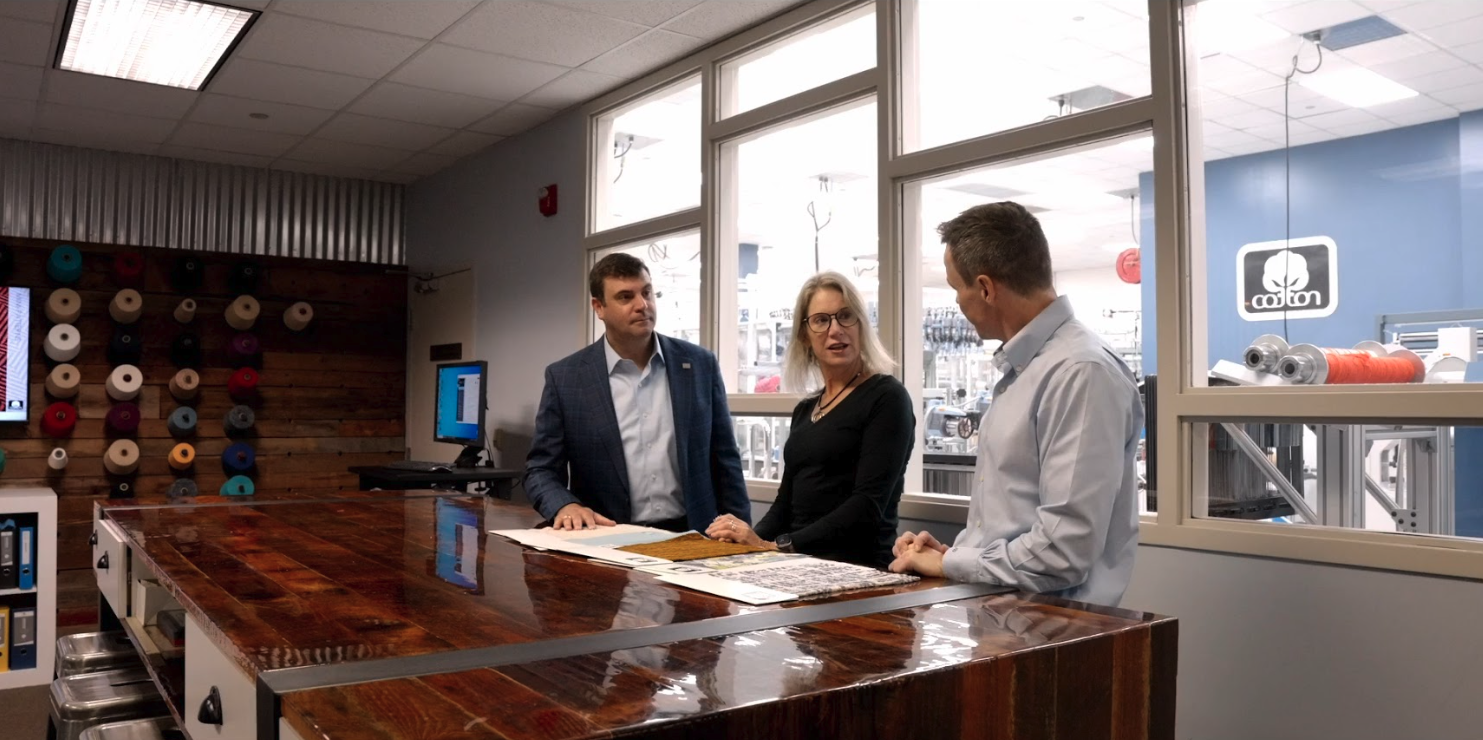
How leading research in low-impact agriculture, performance finishes and circularity elevates cotton over synthetics for tomorrow’s home and apparel market.
Redefining Performance in Natural Fibers
Across the global textile industry, sustainability imperatives are intensifying. Pressure to reduce waste, shrink water and energy footprints, and curb microplastic leakage is mounting, especially as fashion and apparel brands grapple with an evolving regulatory, social, and consumer landscape. Every year, 92 million tons of textiles are discarded, underscoring the urgent need for circular solutions, according to the Global Fashion Agenda. At the same time, the search for high-performance materials that deliver comfort, durability and circular credentials is accelerating.
Amid rising demands for performance and sustainability, natural fibers, like cotton, face both opportunity and challenge. These materials are now being re-examined as science-driven solutions to the industry’s environmental impact. Cotton’s renewability and biodegradability make it a low-impact alternative to synthetics, but meeting modern standards requires innovation throughout the value chain—from cultivation to performance, reuse, and recycling at end-of-life.
Cotton’s Reinvention Through Science
Cotton is grown in more than 75 countries and provides direct livelihoods for over 100 million households, making it a cornerstone of global agriculture and rural economies. Worldwide, researchers, growers, and manufacturers are re-engineering natural fibers to meet these new expectations. Among the organizations leading this transformation is Cotton Incorporated, a U.S.-based not-for-profit that conducts scientific research and product innovation to enhance cotton’s environmental and commercial viability across the global supply chain.
Research shows that 64% of U.S. cotton production requires no irrigation, relying solely on rainfall, while only 5% is fully irrigated—showing how farming practices minimize resource use. This example reflects broader agricultural shifts, including precision soil management, water monitoring and regenerative methods, improving efficiency.
In textile manufacturing, similar advances are reshaping what natural fibers can do. Cotton Incorporated’s WICKING WINDOWS™ and TransDRY® technologies demonstrate how innovation can rival synthetic performance while maintaining cotton’s softness and breathability.
These innovations and scientific research are the foundation for a model of integrated sustainability—connecting field, fiber, and fabric in measurable ways. This holistic view of fiber innovation, one that values life-cycle data as much as design, enables cotton to scale responsibly within a global circular economy.
Creating the Future of Sustainable Textiles
As global brands and manufacturers respond to consumer and compliance demands, cotton’s role grows. The fusion of material science and sustainability is creating textiles that are durable, comfortable, and circular by design. The textile industry produces 10% of global carbon emissions, and washing synthetic garments releases about 700,000 microplastic fibers into the environment. The global apparel industry leaks 8.3 million tons of plastic annually, with 7.4 million tons coming from the synthetic apparel value chain. These facts highlight the urgent need to choose cotton, which pulls carbon from the atmosphere, stores it in the clothing, and is biodegradable and recyclable.
In this emerging landscape, innovation is not about replacing nature but reinforcing it—transforming renewable fibers into advanced materials capable of meeting modern demands. The result is a future where comfort meets low-impact production and where cotton continues to play a defining role in a more sustainable textile economy.
Find out more about GSTI Campaign