
The Future of Hiring
Across the global economy, employers struggle to hire at speed and scale, while job seekers have to apply to more jobs, have a lower chance of getting the job & usually don’t receive a response. While this is frustrating for most job seekers it also means millions of people remain underemployed, disengaged, or excluded from work altogether. The legacy job model is broken.
Despite decades of technology innovation, applying for a job is one of the few consumer categories that is not significantly improved for consumers. The core hiring model has barely changed since newspaper classifieds where employers post jobs and job seekers search and apply. Online platforms have created high-volume “application spam” that benefits advertising technologies. This model is delivering poor outcomes for both employers and job seekers.
Increased volume in a broken job model has meant more employers are using AI to automatically screen out & reject applicants. The Deloitte Global Human Resources Trends Report claims 60 – 70% of companies globally are using some form of AI, machine learning or automated screening tools as part of their hiring process.
Swipejobs is a company operating at scale in the U.S and UK. They have built an AI platform that turns the job model upside down by taking all jobs in the economy and matching them to the job-seeker. This delivers better outcomes for both job seekers and employers. The approach is different because it delivers dynamic matching for consumers and employers, it doesn’t rely on search based on keywords.
Creating a consumer job model has not been easy. Swipejobs have been working at pace and scale for more than 10 years. To build the data driven platform they started with temporary positions, moved to contract positions and they are now launching their permanent job solution.
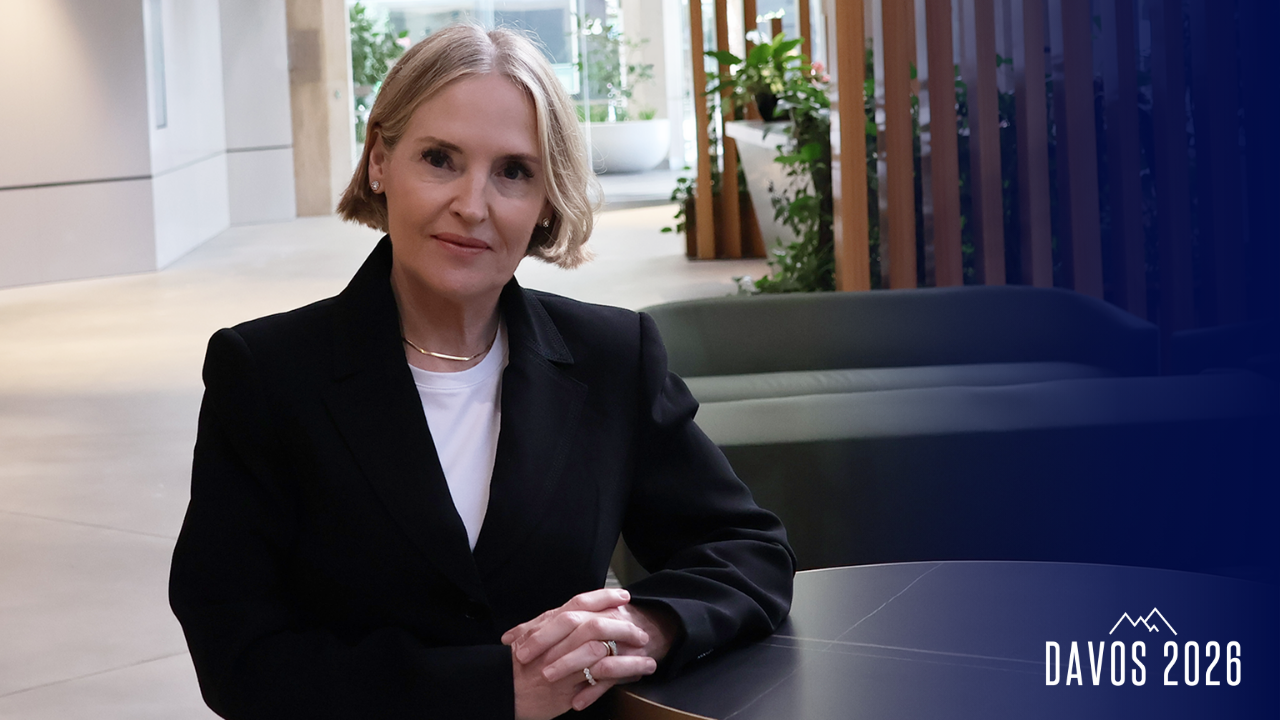
Katrina Leslie, Founder and CEO of Swipejobs says, “We have built real-time dynamic matching for job seekers, as they change their factors the matched jobs change in front of their eyes. Employers can also see matched people change real time as they change their job requirements.”
“For the job seeker, think of it as a personalised job agent where their feedback is training the AI so that real-time job matches get better. This model is not only more effective for job seekers and employers, but also legally defensible with transparency and control over AI in the hands of the job seeker.”
“We believe AI shouldn’t be used as an automated way to reject people & lock them out of jobs when we know there is error in these models, AI should be used as a magnet to pull people in and make it easy for them to match to the right jobs.”
Find out more about DAVOS 2026 Campaign